

Northern line: role, history and what travellers should know
Introduction: why the Northern line matters
The Northern line is one of London’s principal Underground routes, linking southern suburbs with multiple northern termini through central London. Its north–south spine and central branches serve major employment, education and leisure destinations, making the line essential for daily commuters, students and tourists. Understanding its operations, history and recent improvements helps readers plan travel and appreciate ongoing transport investment across the capital.
Main body: route, history and recent activity
Route and connections
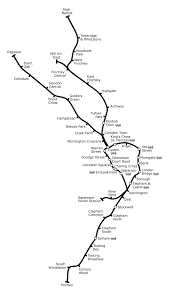
The line runs from south London into central London and out to several northern termini, operating multiple branches that converge through the centre. It provides interchanges with many mainline rail termini and other Underground lines, connecting passengers to hubs such as King’s Cross St Pancras, Euston and Bank. On central sections the line splits into two main routings that serve different central stations, offering travellers choices depending on their destination.
Historic background
The Northern line has roots in some of the earliest deep-level tube railways. Its ancestry includes the City & South London Railway, which opened in 1890 as one of the world’s first deep-level electric railways, and later lines that were combined and rebranded over the early 20th century. The name now in use reflects the merged network that evolved to form an integral part of London’s Tube map.
Recent developments and passenger experience
In recent years Transport for London and partners have focused on capacity, accessibility and station improvements along the line. Major station upgrades in the central area have aimed to improve interchange flows and reduce congestion during peak periods. Ongoing work across the network includes station modernisation, step-free access projects at selected stations and programme-level efforts to improve reliability and passenger information. Travellers are encouraged to check live updates from TfL before travelling, especially during planned engineering works.
Conclusion: outlook and practical significance
The Northern line will remain a vital artery for London travel, supporting economic activity and everyday journeys across the city. Continued investment in stations and operational improvements should ease crowding and enhance accessibility over time. For readers, the practical takeaway is to monitor official travel updates for planned works, allow additional time during peak periods and consider alternative routes during central-area engineering projects.