

London Congestion Charge Increases to £18 as Electric Vehicle Exemption Ends
Major Price Increase for Central London Drivers
From January 2, the fee will increase by £3 (20 percent) from £15 to £18 per day. This is the first rise in the London Congestion Charge since June 2020, marking a significant change for motorists entering central London’s busiest areas.
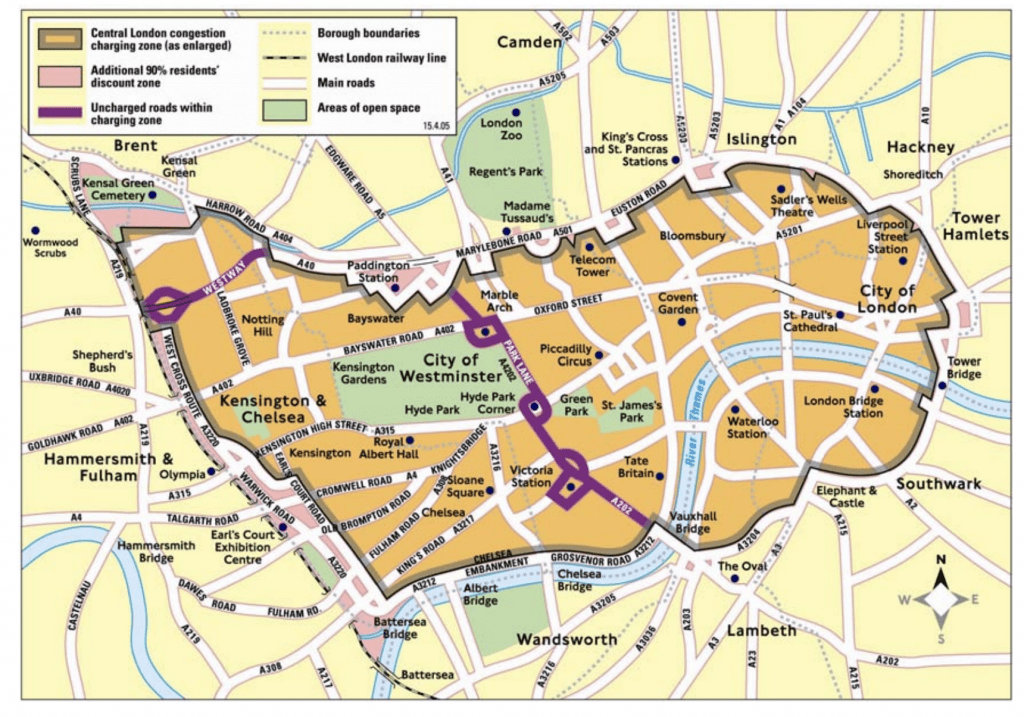
The congestion charge applies to vehicles travelling through the designated 21-square-kilometre central London zone. It’ll be enforced between 7am and 6pm on weekdays and 12pm and 6pm on the weekend. Transport for London has confirmed the increase as necessary to manage traffic levels and reduce congestion in the capital.
End of Electric Vehicle Exemption
A particularly significant change affects electric vehicle owners. From Christmas Day 2025, electric vehicles and hydrogen fuel cell vehicles will no longer be 100% exempt from the congestion charge. However, there is some relief for EV drivers. Electric cars lose their 100% exemption from the Congestion Charge, but drivers of EVs can apply for a 25% discount by registering for the Auto Pay system.
Electric vans, heavy goods vehicles (HGVs), and quadricycles that are registered for Auto Pay will receive a 50% discount. These changes reflect the significant growth in electric vehicle adoption since the exemption was introduced in 2019.
Financial Impact and Penalties
The £3 daily increase means a commuting driver will pay £4,500 per year in Congestion Charge fees if they drive into the capital five days a week, a hike of £750. Analysis from online used car retailer cinch estimating that this will add £40m to the annual bill for drivers in the capital.
Enforcement penalties have also increased. The penalties for not paying the Congestion Charge within 48 hours will result in a £180 fine – which is reduced to £90 if it is paid within 14 days. Additionally, annual increases tied to public transport fare inflation, meaning costs could continue to rise each year.
Rationale Behind the Changes
Mayor of London Sadiq Khan defended the increases, stating that sticking to the status quo would see around 2,200 more vehicles using the congestion charging zone on an average weekday next year. Transport for London (TfL) claims the changes will discourage thousands of drivers from using the capital’s roads on weekdays.
The changes are part of broader efforts to combat air pollution, reduce traffic congestion, and encourage the use of public transport and more sustainable travel options. For drivers who can avoid entering central London by car, alternative transport options such as the Underground, buses, or cycling may become increasingly attractive as driving costs continue to rise.