

Current Developments in TFL and Their Impact on London Commuters
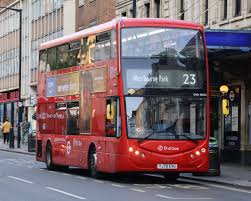
Introduction to TFL
Transport for London (TFL) is a vital service that manages the transport system in Greater London, ensuring millions of residents and visitors can travel efficiently. As the city continues to grow, TFL plays a crucial role in facilitating mobility and addressing challenges such as congestion and environmental impact.
Recent Initiatives and Improvements
In recent months, TFL has announced several key initiatives aimed at improving commuter experience. One significant development includes the extension of the Elizabeth Line, which now connects more areas of London, reducing travel times and increasing accessibility. On the environmental front, TFL has committed to introducing a fleet of ultra-low emission buses to help combat air pollution, reflecting the city’s green transport goals.
Additionally, TFL is investing in enhanced digital ticketing features. The introduction of a contactless payment system on more routes has streamlined the boarding process, making it easier for riders to access services. Furthermore, upcoming upgrades to the TFL website and mobile app promise to offer real-time information on service statuses and route planning, ensuring that commuters can make informed decisions during their journeys.
Challenges Ahead
Despite these improvements, TFL faces several ongoing challenges. London’s population is on the rise, and the need for efficient transport infrastructure has never been more critical. There have been calls for increased investment in the network, as frequent delays and overcrowding in peak hours remain a pressing issue for many commuters. Additionally, funding constraints due to the pandemic have led to discussions about fare increases, which could deter some users from public transport.
Conclusion and Future Outlook
The future of TFL lies in its ability to adapt to the changing needs of Londoners. With the current investments and innovations underway, TFL aims to transform the commuting experience, but success will rely on continued support and funding from the government. As more initiatives roll out, commuters can anticipate a more efficient and environmentally friendly transport system that aligns with London’s goals for sustainability and accessibility.