

DVLA Announces Ban on 400+ Number Plates for 2026: What Drivers Need to Know
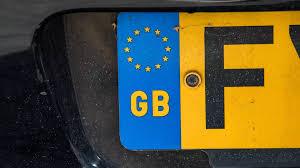
DVLA Takes Action on Offensive Number Plates
DVLA has released a list of banned number plates which will no longer be available from 2026 onwards. The Driver and Vehicle Licensing Agency maintains its commitment to public decency on UK roads by withholding 403 suppressed registration character combinations from the upcoming ’26’ series, which will debut in March 2026.
Why Number Plates Are Banned
Every year, the agency publishes a list of plates which are deemed inappropriate or offensive in one way or another, which won’t be allowed on British roads. Among the controversial words and messages that may be perceived in the character combinations are references to crime, violence, religion, sex, sexual and gender identity, weapons, insults, racism, sexism and more.
Biannually, it reviews new number plates, and decides which combinations it will withhold, based on an assessment whether they may represent insults, swear words, sexual references, references to drugs, references with racist, sexist or LGBTQ+ connotations, as well as some political and religious references.
Examples of Banned Combinations
The likes of ‘AA26 NAL’ and ‘FU26 KER’ are included in the full list of banned plates, which includes a number of terms deemed inappropriate, stretching to upwards of 400 combinations. The combinations represent references to war or conflict zones, like Gaza, Russia and Yemen. They also feature ‘bomb’ and ‘mugger’ and sexual references.
The Review Process
The new ’26’ registrations will be displayed on cars from 1st March, but many character combinations are being withheld by DVLA because they may be considered offensive, provocative or otherwise unsuitable for release. DVLA data, released in response to a Freedom of Information request by Regtransfers, shows the full list of number plates that will be banned from the first registration series to be issued in 2026.
Significance for UK Drivers
The ban list represents more than administrative caution. The DVLA’s decision also aims to prevent road rage or unwanted confrontations arising from provocative number plates. For motorists seeking personalised plates, understanding these restrictions is essential. The DVLA is prohibiting certain number plates, with motorists facing fines of up to £1,000 for displaying illegal combinations.
The DVLA’s 2026 plate bans highlight the balancing act between personal expression and public responsibility. The agency’s vigilance ensures that UK roads remain a place for vehicles, not controversy, reminding us all that even a simple number plate can spark debate about taste, safety, and respect.