

Northern Rail: Transformative Changes Ahead for England’s North
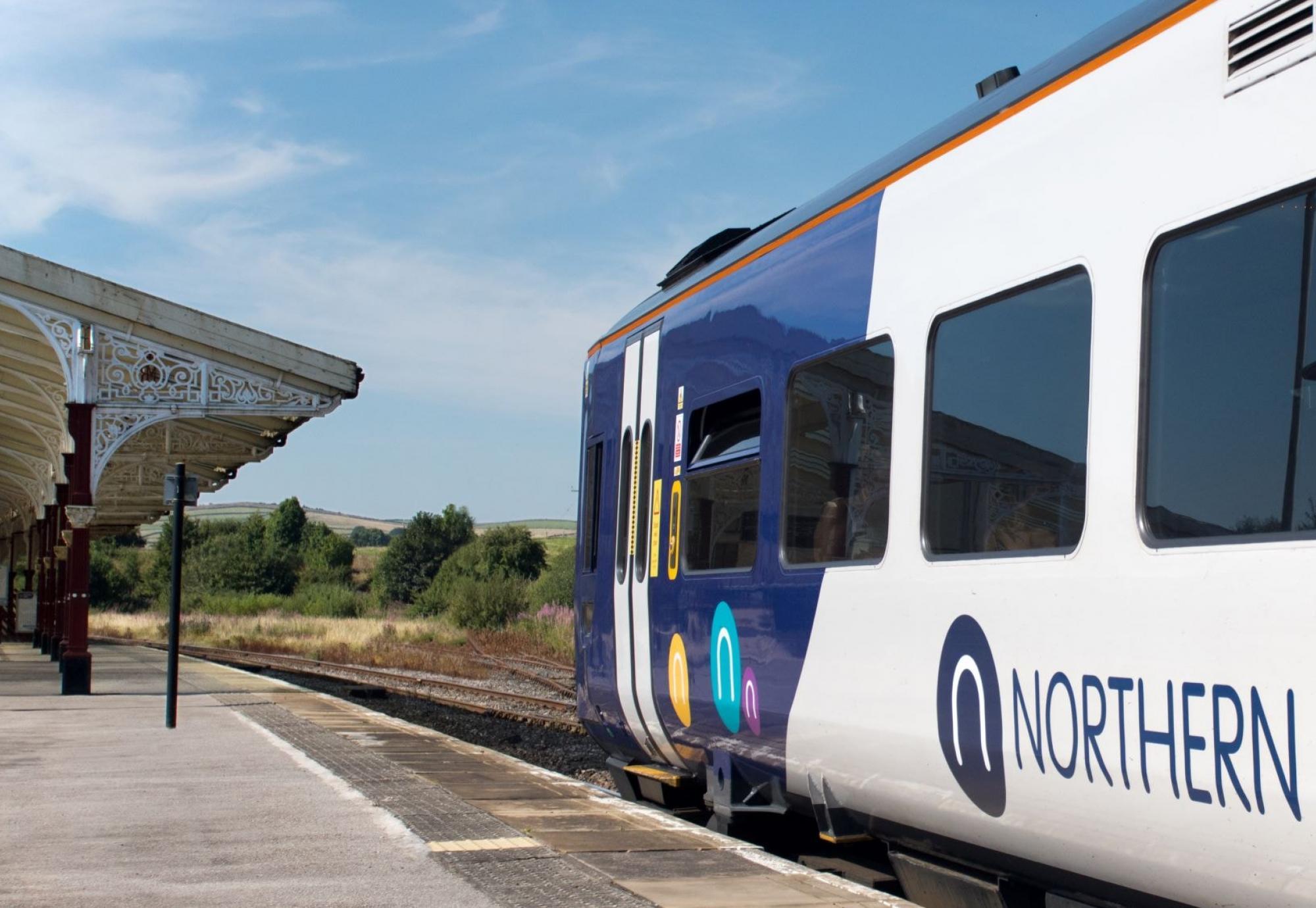
Major Fleet Investment Signals New Era for Northern Rail
Northern Trains has moved a step closer to the largest ever investment in its fleet which could eventually see up to 450 new trains. This landmark announcement marks a turning point for rail travel across the North of England, where passengers have long endured services provided by ageing rolling stock.
Almost 60% of the trains in Northern’s fleet are between 32 and 40 years old, highlighting the urgent need for modernisation. The contract for the new trains is expected to be awarded by 2026, with Northern aiming to receive the first of these trains by 2030.
Sustainable Technology at the Heart of Expansion
The proposed new fleet demonstrates a commitment to environmental responsibility. Multi-modal units in the order will be capable of conversion to battery or electric-only operation during their lifetime, in line with the government’s commitment to deliver a cleaner, greener railway as part of its net-zero objectives. This forward-thinking approach ensures the trains can adapt as infrastructure develops.
Approximately two thirds of the existing fleet is targeted to be replaced in the next ten years. They will be a mix of electric and multi-modal (diesel/electric) powered trains and prospective manufacturers have been asked to include battery-powered trains as part of their proposals.
Northern Powerhouse Rail: Long-Awaited Progress Expected
Beyond Northern Trains’ fleet renewal, the region eagerly awaits news on Northern Powerhouse Rail (NPR), the ambitious infrastructure project designed to revolutionise connectivity between northern cities. The long-awaited government announcement on Northern Powerhouse Rail (NPR) could be made in January. The Financial Times said those familiar with policy discussions expect “high-level details” to be set out in early 2026.
The plan for a new high-speed railway connecting the cities in the north of England has been promised for over a decade but had started to fade after years of inaction from central government. However, recent government commitments suggest renewed momentum, with officials working to balance investment across the Pennines.
Significance for Passengers and the Region
These developments represent more than infrastructure improvements—they promise enhanced reliability, reduced journey times, and better environmental outcomes. By reducing the number of different types of trains, it will significantly simplify operations, help with staff training, and lower maintenance costs – all of which will help reduce taxpayer subsidy.
For millions of passengers across the North of England, these changes signal hope for a modern, efficient rail network that can rival services in other parts of the country. With concrete plans emerging after years of uncertainty, 2026 appears set to be a pivotal year for northern rail transport.