

Thameslink: Enhancing London’s Rail Network
Introduction to Thameslink
Thameslink is an essential rail service that connects various regions across London and beyond. Established in 1990, it plays a crucial role in addressing the transport needs of thousands of commuters daily. With its extensive network linking key areas like Bedford, Luton, and Brighton, Thameslink facilitates accessibility, supports economic growth, and contributes significantly to easing congestion in the city.
Recent Developments
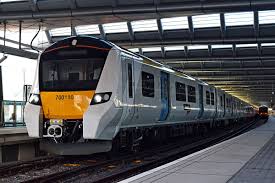
Recently, Thameslink has made strides in improving its services and infrastructure. Following the completion of the Thameslink Programme, a significant investment was made to enhance capacity and reliability. These upgrades include modernization of trains, improvements at key stations such as London Bridge and St Pancras International, and the introduction of new 12-car trains, which provide increased passenger capacity. As of October 2023, the service has reported a 15% increase in ridership compared to the same period last year, highlighting its growing importance in urban transport.
Impact on Commuters
The impact of Thameslink on commuters cannot be understated. With frequent services running from early morning until late at night, it provides vital links for those travelling to work or leisure activities. According to recent statistics, approximately 290,000 journeys are made on Thameslink trains each weekday, showcasing its critical role in supporting London’s workforce. Furthermore, the improved reliability and reduced journey times are key factors that contribute to commuter satisfaction.
Future Outlook
Looking ahead, Thameslink is expected to continue to evolve with urban development and increased demand. Future plans include further enhancements to service frequency and potentially adding new routes to underserved areas. Moreover, initiatives aimed at implementing greener technologies reflect a commitment to sustainability, positioning Thameslink as a pioneering example in public transport. As transportation needs grow alongside London’s population, Thameslink will likely remain at the forefront of discussions about urban mobility.
Conclusion
In conclusion, Thameslink is more than just a rail service; it is a critical component of London’s infrastructure that underpins the city’s economy and social fabric. As improvements continue, commuters can expect enhanced experiences, while the overall significance of Thameslink in the wider context of London’s transport network will only increase.