

Ghost Plates Crisis: UK MPs Demand Urgent Action on Illegal Number Plates
Understanding the Ghost Plates Phenomenon
A ghost plate refers to any license plate that obscures the true ownership of a vehicle, including fake or improperly registered plates that may otherwise appear legitimate at a glance. This growing problem has emerged as a significant threat to road safety and national security across the United Kingdom, prompting urgent calls for reform from Members of Parliament.
Researchers say as many as one in 15 vehicles could be evading automatic number plate recognition (ANPR) cameras through various methods. Ghost plates are vehicle licence plates which are obscured to evade detection by ANPR cameras, allowing drivers to avoid accountability for traffic violations, toll payments, and even serious crimes.
How Ghost Plates Work and Their Impact
The methods used to create ghost plates are surprisingly simple yet effective. MPs noted that avoiding ANPR sometimes requires nothing more sophisticated than cellophane, leaves, or a marker pen. Chemically and physically engineering plates to defeat the IR lighting solution used by conventional ANPR cameras allows offenders to systematically evade not only speed limits and clean air zone charges but also critical law enforcement surveillance.
The scale of the problem varies significantly depending on location. MAV Systems’ data shows that 2–5% of vehicles on typical UK roads are operating with ghost plates, rising sharply to 25% in road charging or congestion areas, where drivers have a financial incentive to avoid detection. At one major international airport, this figure reached an alarming 40–55%, with up to 60% being taxis.
Parliamentary Response and Proposed Solutions
Illegal number plates and lax rules about who can sell them are threatening national security and putting road users at risk, according to a report from the All-Party Parliamentary Group for Transport Safety. MP Sarah Coombes stated that this report lays bare the threat posed by ghost and cloned plates, noting that people can commit terrible crimes and then set themselves up as number plate sellers with no questions asked.
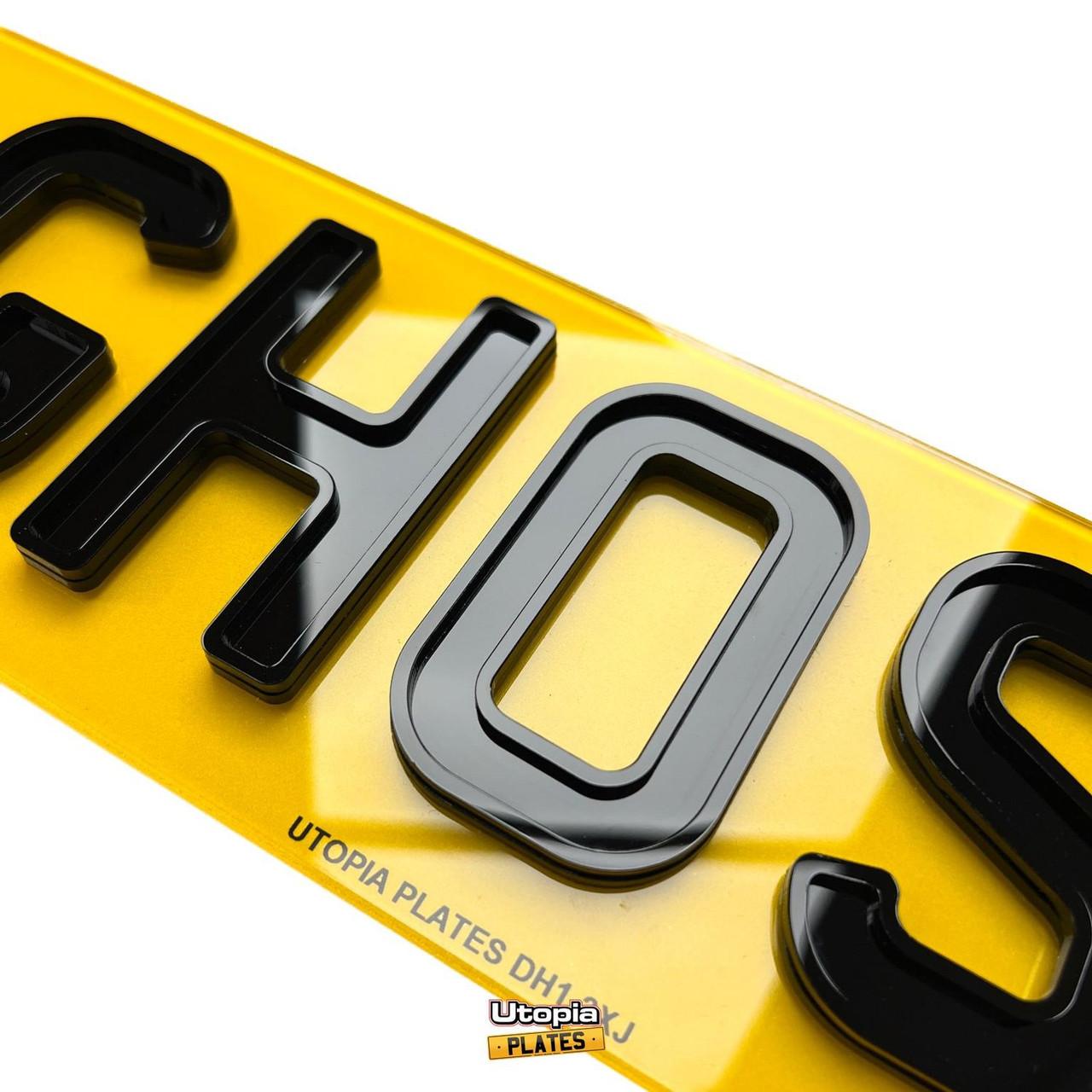
The APPGTS wants the number of licensed sellers significantly reduced from the current 34,455 by bringing in higher standards and a more expansive annual fee. The group also recommends banning 3D and 4D plates with raised lettering to ensure better legibility for enforcement cameras.
Implications for Road Safety and Public Finance
The consequences of ghost plates extend beyond simple rule-breaking. Drivers using ghost plates can avoid traffic tickets, tolls, accountability for crimes, and evade enforcement systems altogether. Further analysis found that around 15% of vehicles with ghost plates were also untaxed, without MOT, or unregistered, highlighting how ghost plates often accompany wider non-compliance.
The RAC’s head of policy, Simon Williams, stated that ghost and cloned plates have no place on our roads as no one should be able to drive a vehicle that’s invisible to enforcement cameras or untraceable by police. As technology companies develop advanced AI-powered detection systems, authorities are racing to close the enforcement gap and restore accountability to British roads.