

An Overview of East Midlands Airport and Its Recent Developments
Introduction
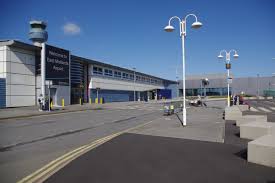
East Midlands Airport (EMA) is one of the United Kingdom’s busiest airports, serving millions of passengers and freight annually. Located in Leicestershire, the airport plays a significant role in regional connectivity, economic growth, and tourism. As an international gateway, it connects the East Midlands to various destinations, reinforcing its importance amidst ongoing global travel recovery.
Recent Developments at East Midlands Airport
In recent months, East Midlands Airport has introduced several initiatives aimed at improving passenger experience as travel restrictions ease. Notably, a major renovation project has been announced to enhance the terminal facilities and increase capacity, which is expected to accommodate a growing number of passengers. The airport has also implemented new health and safety measures to ensure the well-being of travellers in response to the COVID-19 pandemic.
In addition to passenger services, East Midlands Airport continues to be a vital hub for air freight, particularly for e-commerce logistics. The logistics operations at EMA have seen significant growth, with increased demand for fast delivery services prompting the airport management to expand its freight facilities.
Environmental Initiatives
Environmental sustainability is also a high priority at East Midlands Airport. The management is committed to reducing carbon emissions and has set ambitious targets to become a net-zero airport by 2030. Recent projects include investing in renewable energy sources and improving ground transportation options, encouraging the use of electric vehicles to access the airport.
Conclusion
East Midlands Airport stands as a crucial asset for the East Midlands region, facilitating travel and trade. With ongoing renovations and a focus on sustainability, the airport is well-positioned to adapt to changing travel patterns in the years ahead. As the aviation industry continues its recovery post-pandemic, EMA’s role in enhancing connectivity and supporting local businesses is expected to grow further, making it an essential part of the region’s economic landscape.