

China Buses Drive Global Electric Transport Revolution Amid Security Concerns
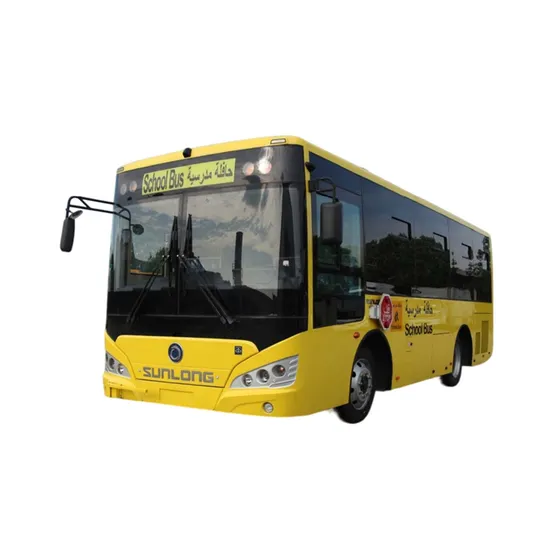
Introduction: China’s Commanding Lead in Electric Bus Manufacturing
China has established itself as the undisputed global leader in electric bus manufacturing, with Chinese companies accounting for 30% of electric buses sold in Europe and more than 85% in Latin America. This dominance reflects years of government support, technological innovation, and aggressive global expansion. In one decade, China has replaced 80 per cent of its public buses with a fleet powered by electricity and hydrogen fuel cells, setting a benchmark for sustainable urban transport worldwide.
As we enter 2026, Chinese bus manufacturers like BYD, Yutong, and Zhongtong continue to shape the future of public transportation globally. However, this expansion has triggered both opportunities and concerns, from export growth to cybersecurity challenges that are reshaping international relations.
Market Growth and Export Expansion
The China Electric Bus Market was valued at USD 38.34 Billion in 2024, and is expected to reach USD 51.89 Billion by 2030, rising at a CAGR of 5.22%. This impressive growth is fuelled by domestic demand and international expansion. China’s exports of new energy buses surged by 28% in 2024, reaching 15,444 units over 3.5 meters in length, demonstrating the country’s competitive advantage in clean transportation technology.
Chinese manufacturers have made significant inroads into Southeast Asia. Transjakarta now runs 420 electric buses — nearly 10% of its fleet — including models from Skywell and Zhongtong, and plans to fully electrify its 10,000-bus fleet by 2030. Meanwhile, Golden Dragon’s overseas operations made a powerful start in 2026 with the official delivery of the first batch of 462 buses to the Tunisian Public Transport Company.
Security Concerns Cloud Global Adoption
Despite commercial success, Chinese electric buses have sparked serious cybersecurity warnings. Bus providers in Denmark and Norway discovered that buses made by Yutong can be “stopped remotely, either by the manufacturer or by a hacker”, prompting urgent investigations across Europe.
British security services warn that hundreds of electric buses currently operating across the UK could be remotely deactivated by Chinese authorities. These concerns reflect broader tensions about technological dependence on Chinese infrastructure, particularly as Western nations balance climate goals with national security considerations.
Technological Innovation and 2026 Product Launches
Chinese manufacturers continue to innovate. Zhongtong has developed its 2026 lineup on dual H-series tracks—diesel and battery-electric—covering every segment from budget to luxury. Forty-six H-platform variants are already available in both energy types, showcasing the industry’s technological maturity.
The focus extends beyond basic electrification. One of the most transformative trends is the increasing integration of autonomous driving technologies, with autonomous electric buses emerging as a promising solution for efficient, safer, and cost-effective public transport systems.
Conclusion: Balancing Opportunity and Risk
China’s electric bus industry represents a remarkable transformation in global public transport, driven by government support, technological advancement, and competitive pricing. As the market expands towards 51.14 billion USD by 2029, Chinese manufacturers are positioned to maintain their dominance.
However, mounting security concerns and geopolitical tensions may reshape international adoption patterns. Countries must navigate the complex balance between achieving environmental goals and maintaining infrastructure security. For readers—whether transport operators, policymakers, or industry observers—understanding both the opportunities and risks of Chinese bus technology will be crucial in shaping sustainable urban mobility strategies for the coming decade.