

Liverpool Street Station: Britain’s Busiest Hub at a Crossroads
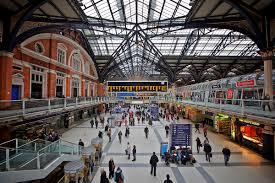
Liverpool Street Station Maintains Crown as Britain’s Busiest Railway Hub
London Liverpool Street has retained its title as the UK’s busiest railway station with 98.0 million entries and exits in the year to March 2025, representing a 3.7% increase from 94.5 million a year earlier. This remarkable footfall underscores the station’s critical importance to London’s transport infrastructure, connecting millions of passengers across the capital, East Anglia, and eastern England.
The station’s success reflects the transformative impact of the Elizabeth line, which helped Liverpool Street reclaim its position after a brief period when it lost the top spot. London Waterloo secured second place with 70.4 million entries and exits, demonstrating the competitive landscape amongst London’s major transport hubs.
Controversial Redevelopment Plans Spark Heritage Concerns
Plans to redevelop London Liverpool Street station will enable it to serve over 200 million passengers a year, with passenger numbers forecast to grow by 35% to 158 million by 2041. Network Rail’s ambitious transformation scheme includes eight new lifts, increased escalators, and expanded concourse space to alleviate overcrowding.
However, the proposals have generated significant controversy. The plans include a 97-metre, 19-storey tower block that would be built over the station’s 20th-century concourse, raising concerns amongst heritage groups. The controversial proposals have reunited national heritage societies in a coalition known as LISSCA – the Liverpool Street Station Campaign, which argues that accessibility improvements should not come at the expense of the listed landmark.
An alternative vision has emerged, with John McAslan + Partners proposing that capacity and accessibility improvements can be achieved without extensive demolition and 20-storey towers. This design takes what the firm describes as a sensitive, low-carbon approach that respects the station’s heritage.
Economic Impact and Future Outlook
The transformation could boost the City of London economy by up to £4.6 billion per year, highlighting the scheme’s potential significance beyond transport improvements. Nearly 800 documents have been submitted with the planning application, including hundreds of representations from consultees, and a decision has been pushed back to spring 2026.
Meanwhile, operational improvements continue. The station will close for eight days between Christmas Eve and January 2026 for engineering works, affecting services including the Stansted Express and Greater Anglia routes. For passengers and London’s economy alike, Liverpool Street Station’s evolution remains a critical issue shaping the capital’s transport future.