

Northern Line: Routes, Importance and Recent Changes
Introduction: Why the Northern line matters
The Northern line is a vital artery of London Underground, linking major residential areas and central employment hubs. Its complex branching through north and central London makes it essential for commuters, tourists and businesses, and any changes to its service have wide-reaching effects on capacity and connectivity across the capital.
Main body
Routes and key stations
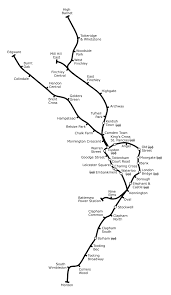
The Northern line runs south to north through central London, with its southern terminus at Morden and three northern termini served by branches. In central London it splits into two main through-routes that pass through major transport interchanges including King’s Cross St Pancras, Euston and Camden Town. The line serves busy destinations such as Leicester Square and London Bridge, making it a core part of journey patterns across the city.
Operational characteristics and challenges
The line’s multiple branches and central section create both flexibility and operational complexity. Junctions in the north, and the historic layout at Camden Town, mean that disruption or engineering work on one part of the line can ripple through the network. Peak-time crowding remains a regular challenge, as the Northern line carries large passenger volumes between residential suburbs and central employment zones.
Recent developments
One notable enhancement in recent years has been the extension to Battersea, which opened in 2021 and provided a new southern connection to the redeveloped Battersea Power Station and surrounding areas. That extension has altered some passenger flows and improved links to the redeveloped riverside district. Ongoing investment in stations and accessibility improvements across the network continues to be a priority for London Underground to better serve passengers and support longer-term demand.
Conclusion: Outlook and significance for readers
For daily travellers and occasional visitors alike, the Northern line remains a central part of London’s transport fabric. Continued upgrades to stations and infrastructure, alongside careful planning of engineering works, will be important to reduce passenger disruption and address capacity constraints. Readers who rely on the line should watch Transport for London’s announcements for service changes, planned engineering closures and accessibility improvements that may affect journeys.