

Plymouth Traffic: Disruption and Infrastructure Improvements Shape City’s Transport Future
Introduction: The Critical Role of Traffic Management in Plymouth
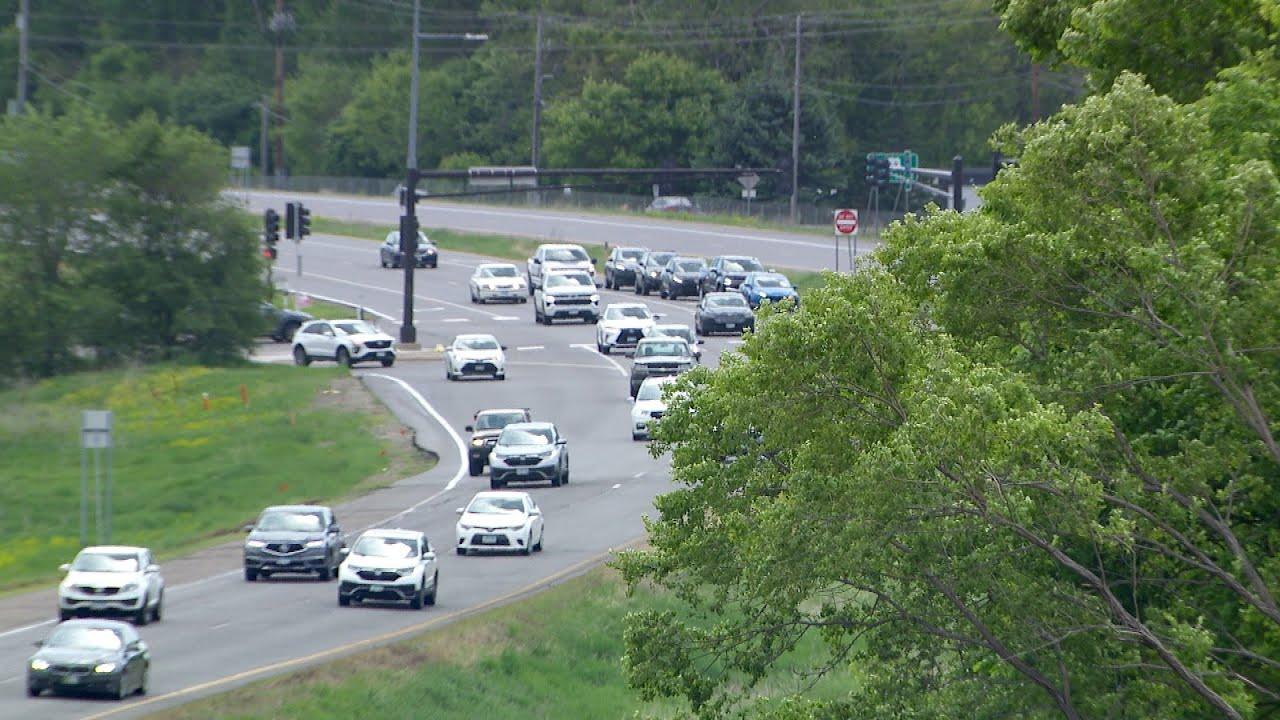
Traffic management has become a pressing concern for Plymouth residents and commuters as the city navigates significant infrastructure challenges and ambitious improvement projects. With a growing population expected to reach over 300,000 by 2034, traffic on the A38 in Plymouth has recently been brought to a standstill following a serious incident at Manadon flyover, highlighting the city’s vulnerability to traffic disruption and the urgent need for resilient transport infrastructure.
Recent Traffic Disruptions Impact Daily Commutes
Plymouth’s traffic has faced considerable challenges in recent days. The road was closed while emergency services responded near Manadon Roundabout, leading to severe congestion and long delays across the surrounding road network. The incident on 14 January 2026 underscored how quickly traffic can grind to a halt on key arterial routes.
Adding to commuter woes, drivers in Plymouth are being warned of widespread roadworks across the city over the coming week, with multiple road closures, temporary traffic lights and night-time works planned according to Plymouth City Council, affecting roads between Saturday 10 January and Saturday 17 January. Several roads will be fully closed, including parts of New George Street, Royal Parade, Sturdee Road, Fisher Road, Ganges Road, Priory Road and Whittington Street, with gas main replacement works by Wales and West Utilities continuing.
Long-Term Infrastructure Investment for Traffic Relief
Looking ahead, Plymouth is set to benefit from substantial infrastructure improvements. It is anticipated that staggered construction on the scheme will begin in Summer 2026 and end in Summer 2027. The planned works would mean an almost £50m investment in Plymouth’s transport infrastructure with the aim of providing enhanced capacity for road users, greater pedestrian and cycle connectivity and protecting critical rail and road infrastructure and properties from flooding events.
The Major Road Network improvements will address persistent bottlenecks, with key upgrades taking place on major routes such as the A38 around Plymouth and on the A374, A386, and A364 junctions. These improvements aim to future-proof Plymouth’s transport network as the city continues to expand.
Conclusion: Balancing Short-Term Disruption with Long-Term Benefits
While Plymouth residents currently face significant traffic disruption from roadworks and incidents, these challenges represent a necessary investment in the city’s future. The planned infrastructure improvements will enhance capacity, promote sustainable transport options, and make Plymouth’s road network more resilient to flooding and congestion. For commuters, the message is clear: allow extra journey time, stay informed about road closures, and consider alternative transport modes where possible. The current inconvenience should ultimately deliver a more efficient, safer, and sustainable transport network for Plymouth’s growing population.