

The Significance of the Elizabeth Line in London’s Transport
Introduction
The Elizabeth Line, which officially opened on May 24, 2022, represents a significant development in London’s transportation infrastructure. Named after Queen Elizabeth II, this new east-west rail line connects central London with the surrounding regions, providing efficient travel options for thousands of commuters. With over £19 billion invested, the Elizabeth Line is not just a transport project; it is a symbol of modern investment in public services.
Connecting the Capital
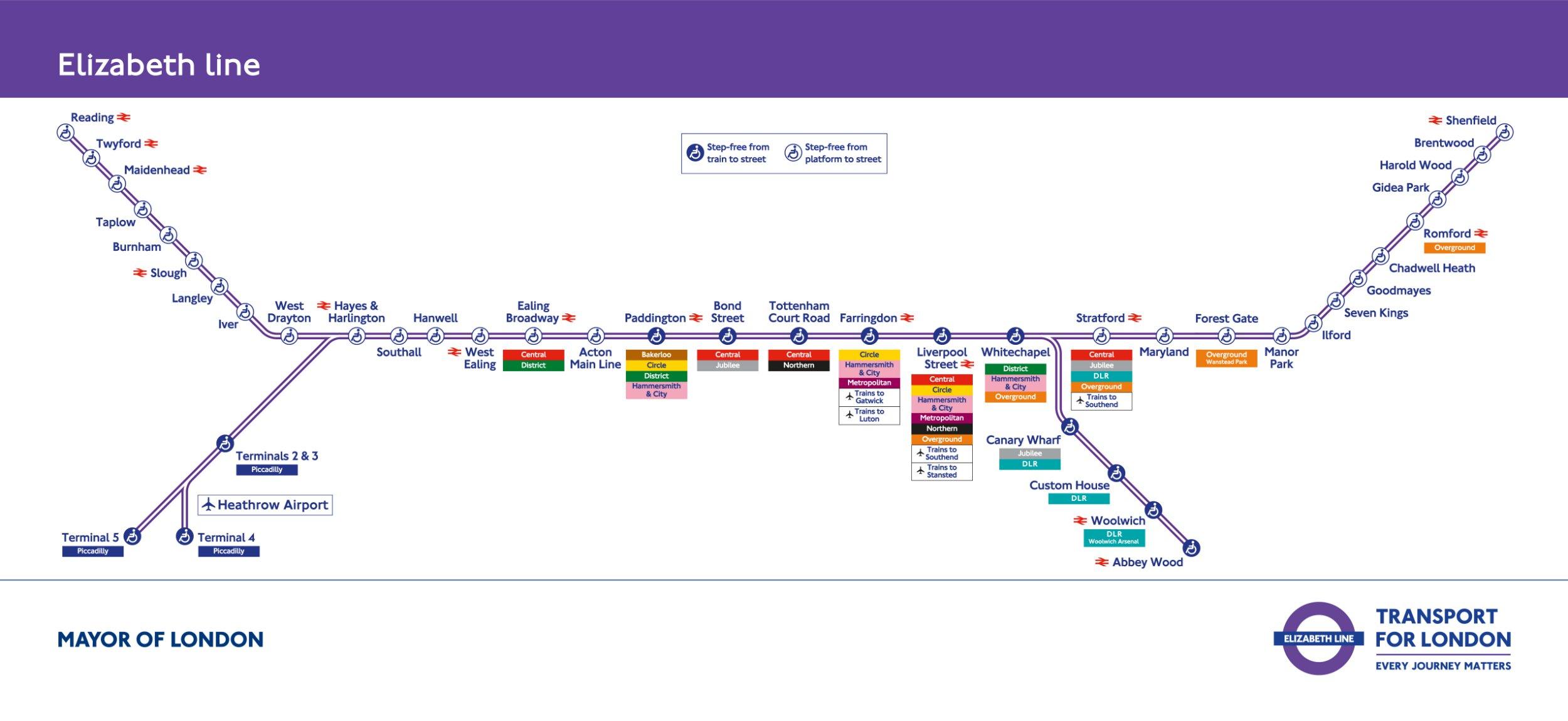
The Elizabeth Line spans approximately 60 miles, linking Reading and Heathrow in the west to Shenfield and Abbey Wood in the east. It serves 41 stations, including key stops such as Paddington, Canary Wharf, and Liverpool Street. This unprecedented connectivity improves access across London and reduces travel times significantly. For instance, a journey from Paddington to Canary Wharf takes just 17 minutes, compared to over 30 minutes via other routes.
Economic and Social Impact
The introduction of the Elizabeth Line is expected to stimulate economic growth in London and the surrounding counties. It is anticipated to support up to 200,000 new jobs and considerably enhance property values in areas surrounding the stations. Furthermore, it encourages sustainable travel, reducing reliance on cars and lowering carbon emissions. This shift aligns with London’s broader environmental goals by promoting public transport usage.
Challenges and Future Developments
Despite its numerous advantages, the Elizabeth Line has faced challenges, including delays during construction and the ongoing struggle to meet rising passenger demand. As the line continues to integrate with existing services, transport authorities are focusing on improvements in capacity, reliability, and service frequency. Enhancements in signaling technology and further investment in station facilities are on the agenda to ensure the Elizabeth Line can accommodate future growth.
Conclusion
The Elizabeth Line stands as a transformative force within London’s transport network, pushing the boundaries of connectivity and offering substantial economic and environmental benefits. As it continues to mature and expand, its role in shaping the metropolis will only grow more significant. Commuters can look forward to an even more integrated, efficient, and sustainable travel experience as this project evolves, marking a new era for London transport.