

Thorpeness: Suffolk’s distinctive coastal village
Introduction: Why Thorpeness matters
Thorpeness is a small but well-known coastal village on the Suffolk Heritage Coast. Its combination of planned holiday architecture, unique landmarks and proximity to important natural habitats makes it both a cultural and environmental point of interest. For residents and visitors alike, Thorpeness exemplifies the interaction between seaside tourism, heritage conservation and coastal management—issues that are increasingly relevant as communities face changing visitor patterns and environmental pressures.
Main body: History, features and present-day life
Planned holiday village and distinctive architecture
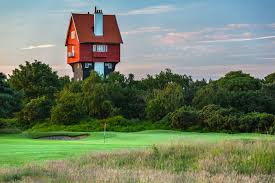
Developed in the early 20th century as a private holiday village, Thorpeness was laid out around recreation and leisure rather than traditional fishing or farming. The village is characterised by mock-Tudor and Arts and Crafts-inspired cottages set among pine trees and dunes. The most famous structure is the House in the Clouds, a former water tower disguised as a house and now a local landmark visible across the marshes.
The Meare, recreation and nature
At the heart of Thorpeness is the Meare, an artificial boating lake created to provide water recreation for holidaymakers. Model boats, rowing and family activities on the Meare continue to be a draw. Nearby, the coastline and marshland support diverse birdlife and link Thorpeness to wider nature reserves and birdwatching sites on the Suffolk coast, making the village popular with nature enthusiasts as well as beach visitors.
Local economy and community
The local economy relies heavily on tourism, holiday homes and small-scale hospitality. A small golf course, local shops and seasonal events add to the village’s appeal. At the same time, there is an active community focus on preserving the village’s character and balancing visitor demand with the needs of full-time residents.
Conclusion: Outlook and significance for readers
Thorpeness remains a unique example of early 20th-century seaside design and contemporary coastal life. Looking ahead, the village faces familiar coastal challenges—managing visitor numbers, conserving local heritage and responding to environmental change, including coastal erosion and sea-level rise. For readers, Thorpeness offers a compact case study in how a small coastal community can preserve its character while adapting to 21st-century pressures, continuing to attract visitors for its scenery, recreation and distinctive history.