

Sicily: An Overview of Culture, Economy and Travel
Introduction: Why Sicily matters
Sicily is the largest island in the Mediterranean and an autonomous region of Italy. Its strategic location, layered history and rich cultural heritage make it important for tourism, agriculture and Mediterranean geopolitics. For readers considering travel, study or investment, Sicily offers a mix of classical archaeology, active volcanism and distinct regional traditions that continue to influence the wider region.
Main body
Geography and heritage
Located off the southern coast of the Italian peninsula, Sicily is renowned for its varied landscape. The island hosts Mount Etna, one of Europe’s most active volcanoes, as well as dramatic coastlines, fertile plains and rolling hills. Sicily’s history reflects successive civilisations — Greek, Roman, Byzantine, Arab and Norman — and this is visible in its architecture, languages and cuisine. Several sites in Sicily are recognised by UNESCO for their historical and cultural value, reflecting the island’s legacy as a crossroads of the Mediterranean.
Economy, agriculture and tourism
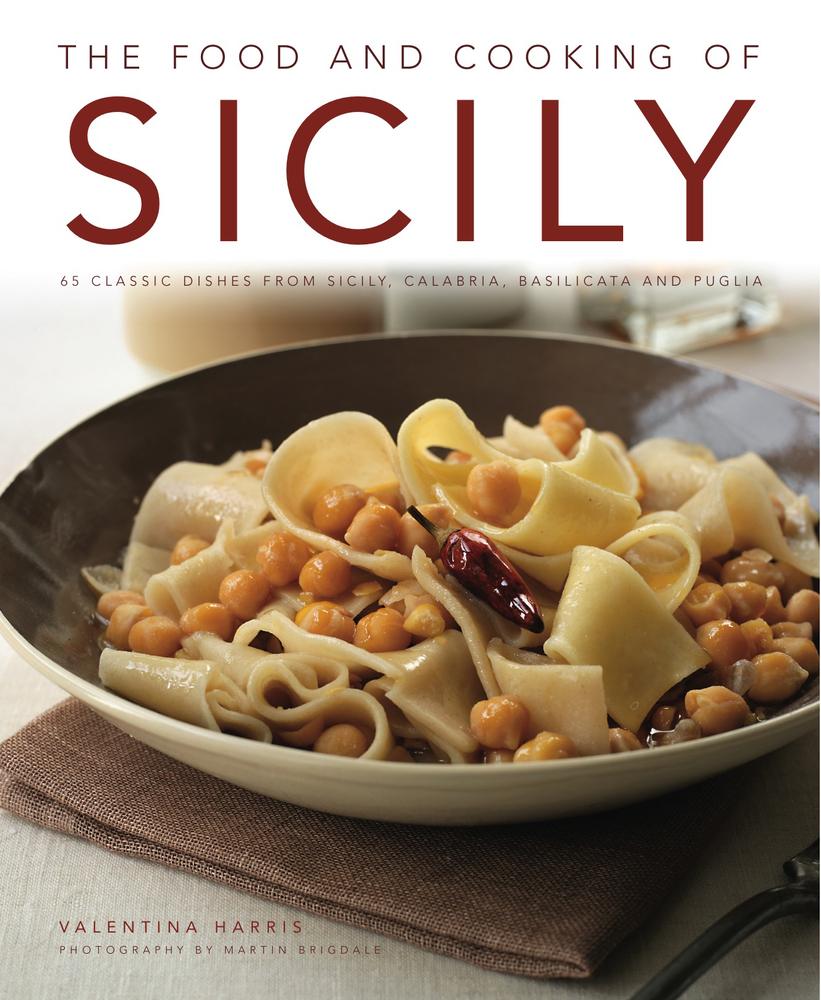
Agriculture remains a cornerstone of Sicily’s economy, with vineyards, citrus groves, olives and cereals widely cultivated. Fishing and food production are also significant, and Sicilian cuisine — from seafood to pastries — draws visitors worldwide. Tourism is a leading sector: travellers are attracted to archaeological sites, baroque towns, beach resorts and cultural festivals. Major urban centres such as Palermo, Catania and Syracuse function as administrative, commercial and cultural hubs, linking Sicily to national and international networks.
Challenges and resilience
Sicily faces challenges common to many regions: economic disparities, youth outmigration and infrastructure needs. Environmental issues include seismic and volcanic risk, coastal erosion and the effects of climate change on agriculture and water resources. Local and regional authorities, alongside private-sector actors, continue to pursue sustainable tourism, heritage conservation and investment in renewable energy to foster resilient development.
Conclusion: Outlook and significance for readers
Sicily remains a compelling destination for visitors and a strategic region for Mediterranean affairs. Short-term prospects point to continued interest in cultural and nature-based tourism, while long-term resilience will depend on managing environmental risks and enhancing economic opportunities for local communities. For travellers, students and investors, Sicily offers a rich mix of history, natural beauty and evolving opportunity that merits attention.