

Christmas Island: A Remote Paradise Balancing Conservation and Development
Introduction: Why Christmas Island Matters
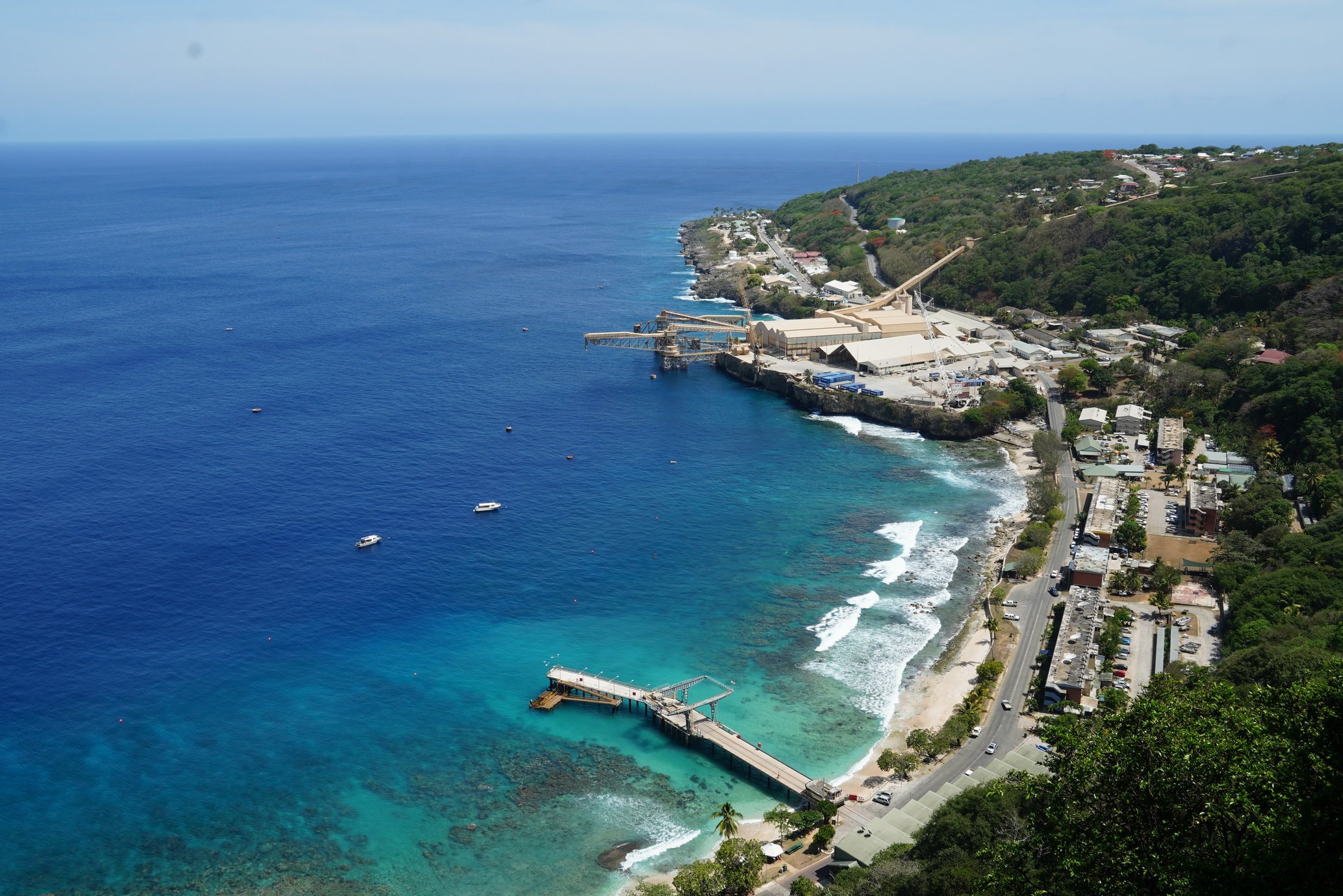
Christmas Island, an Australian external territory in the Indian Ocean, has emerged as a focal point for conservation success and technological development in 2025. Located approximately 350 kilometres south of Java and 1,550 kilometres northwest of mainland Australia, this remote island is gaining international attention for its remarkable wildlife recovery and future infrastructure plans.
Conservation Triumph: Red Crab Population Soars
More than 100 million red crabs are making their annual trek from Christmas Island’s rainforest to the coast, creating a migration spectacle that occupies countless bucket lists. Even more remarkably, red crab numbers could be breaching the 180 million mark – a phenomenal recovery in just 10 years. This success story stems from innovative conservation efforts, including the introduction of Malaysian microwasps that feed on invasive yellow ants, giving the crabs a chance to rebuild.
The migration typically starts around October or November, triggered by the first heavy rains of the wet season, with spawning occurring in line with the lunar cycle. This natural phenomenon has become a major tourism drawcard, with visitors from around the world witnessing what is often described as one of nature’s most spectacular events.
Future Development: Google’s AI Data Centre Plans
In a significant technological development, Google is planning subsea cables to the island, with an AI data centre, potentially for military use. This ambitious project represents a major shift for the island’s infrastructure and economy, which has traditionally relied heavily on phosphate mining and tourism.
Ongoing Environmental Challenges
Despite conservation successes, the island continues to face environmental challenges. The Christmas Island shrew, Crocidura trichura, has been declared extinct, serving as a sobering reminder of the fragility of island ecosystems. Local elections in October 2025 saw significant political change, with new leadership elected to the Shire Council, potentially bringing fresh perspectives to environmental management.
Conclusion: A Unique Territory at a Crossroads
Christmas Island stands at a pivotal moment in its history. The remarkable recovery of its iconic red crab population demonstrates the effectiveness of innovative conservation strategies and provides hope for other threatened ecosystems worldwide. Simultaneously, proposed technological developments signal potential economic diversification beyond traditional industries.
For readers interested in conservation, sustainable tourism, or remote territories, Christmas Island offers valuable lessons about balancing development with environmental protection. The island’s success in recovering its red crab population while planning for technological advancement illustrates that conservation and progress need not be mutually exclusive. As climate change and habitat loss threaten species globally, Christmas Island’s approach may provide a blueprint for other vulnerable ecosystems.