

Explore the Charm and Challenges of Bucharest
Introduction
Bucharest, the capital of Romania, is a city infused with history, culture, and modern developments, making it one of the most intriguing destinations in Eastern Europe. With a population exceeding two million, it stands as Romania’s largest city and a significant hub for political, economic, and cultural activities. Understanding Bucharest’s dynamics is essential not only for potential visitors but also for those interested in the broader trends shaping European cities.
Historical Significance
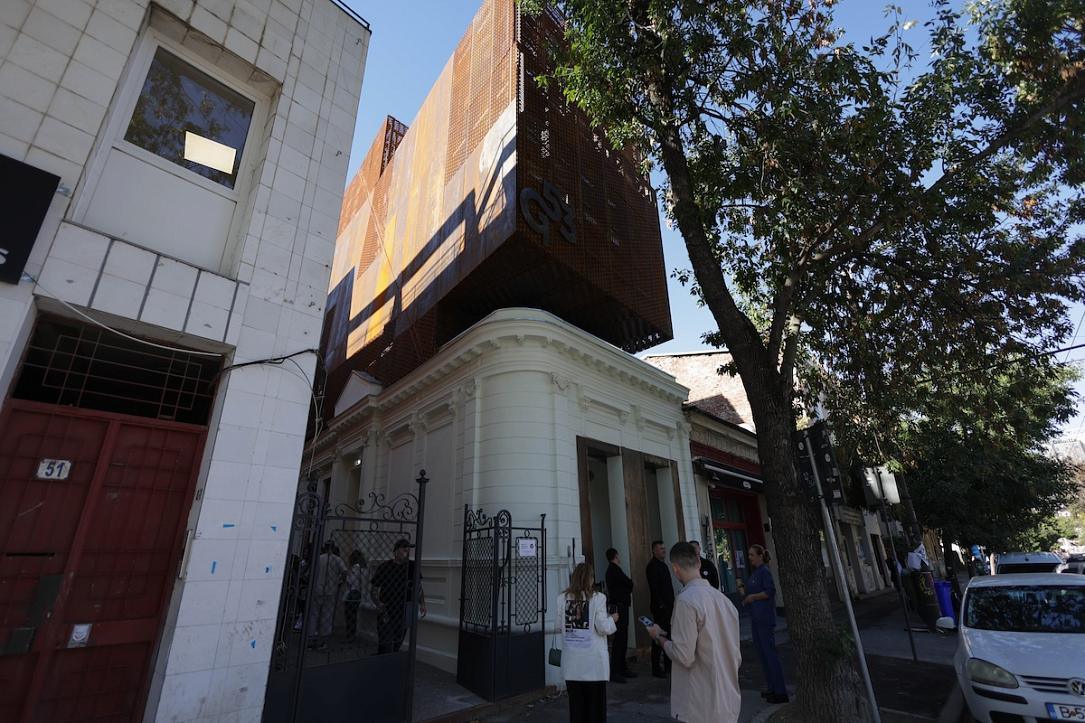
The history of Bucharest dates back to at least the 15th century, when it was mentioned as a residence for the Wallachian prince Vlad the Impaler. Over the centuries, the city has seen various transformations, from an Ottoman outpost to a vibrant European capital in the 20th century. The cityscape is a fascinating mix of architectural styles, showcasing Neoclassicism, Art Nouveau, and Communist-era structures, notably the Palace of the Parliament, which is one of the largest administrative buildings in the world.
Current Developments
In recent years, Bucharest has experienced rapid growth, particularly in its tech sector. The city has emerged as a regional technology hub, attracting startups and multinational corporations. Initiatives by the local government to improve infrastructure, such as the expansion of metro lines and the revitalisation of public spaces, are contributing to a more livable city. Additionally, Bucharest’s cultural scene is flourishing, with numerous festivals, art exhibitions, and a vibrant nightlife that draws both locals and tourists.
Challenges Ahead
Despite its successes, Bucharest faces significant challenges, including traffic congestion, pollution, and housing shortages. The rapid urbanisation has put pressure on public services, and addressing these issues is crucial for sustainable development. Residents have raised concerns about air quality and the city’s reliance on cars, which hinders the quality of urban life.
Conclusion
Bucharest is a city of contrasts, where historical depth meets modern ambition. As it navigates the complexities of urban growth and development, the future looks promising but requires strategic planning and innovation. Understanding the current trajectory of Bucharest will be vital for policymakers, investors, and tourists alike, highlighting the city as a focal point for both opportunities and challenges in the heart of Europe.