

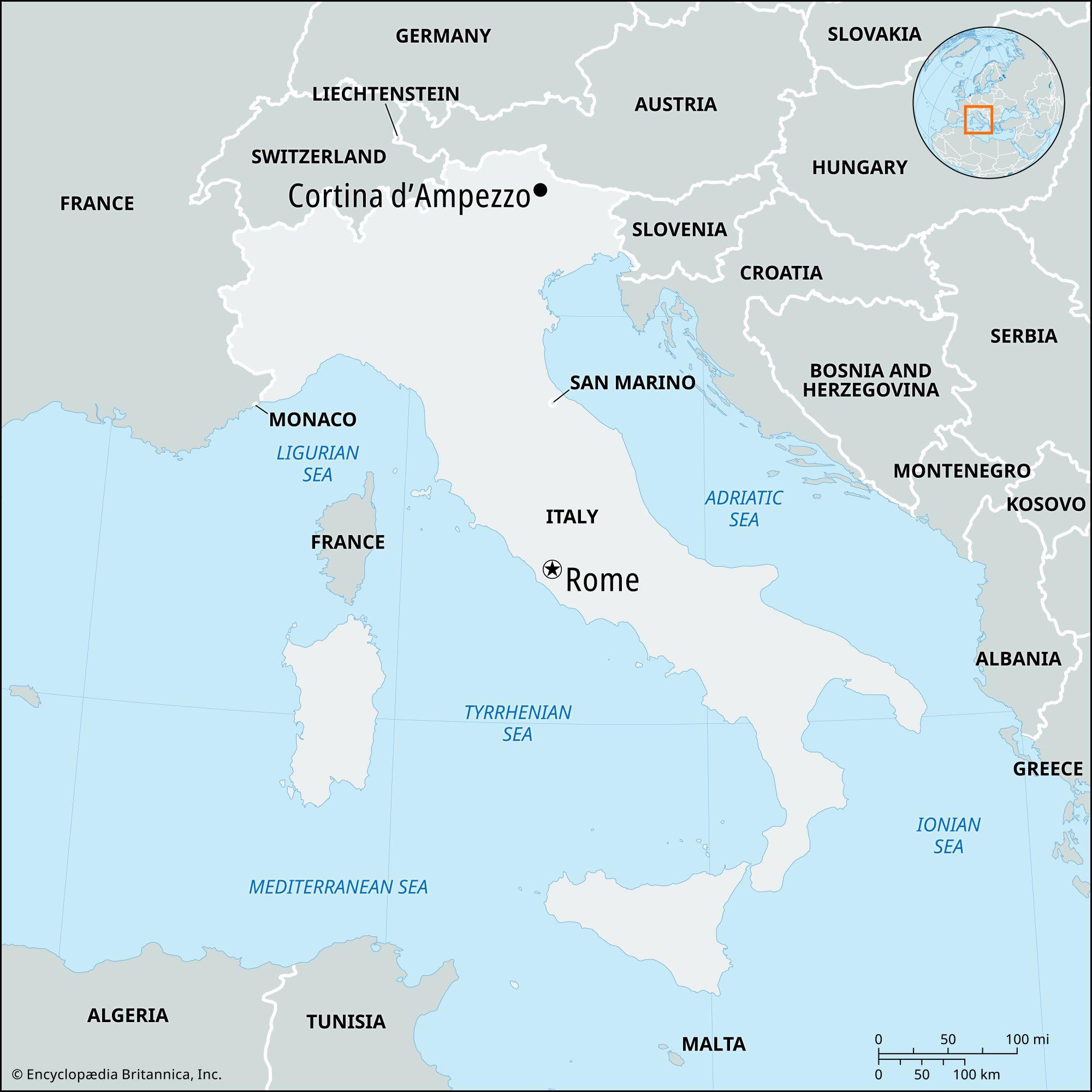
Where is Cortina? Location and significance of Cortina d’Ampezzo
Introduction: Why “where is Cortina” matters
Questions such as “where is Cortina” have gained renewed relevance as the town prepares to share the spotlight for the 2026 Winter Olympics. Cortina d’Ampezzo is more than a point on a map: it is a historic winter-sports destination in the Italian Alps whose location, environment and infrastructure shape regional tourism, conservation and international sporting schedules.
Main body: Location, history and current significance
Where Cortina is
Cortina d’Ampezzo is a town in northern Italy, in the province of Belluno within the Veneto region. It sits in the heart of the Dolomites, a distinctive range of the Alps noted for dramatic limestone peaks. The Dolomites are protected as a UNESCO World Heritage Site, an acknowledgement of their geological and scenic importance.
Sporting and cultural background
Cortina has long been synonymous with alpine sport. It hosted the 1956 Winter Olympics, establishing a legacy as a centre for skiing and international winter competition. That legacy has been reinforced in recent years: Cortina will co-host the 2026 Winter Olympics alongside Milan, renewing attention on the town’s venues, transport links and hospitality sector.
Tourism and environment
The town’s location in the Dolomites means it balances high visitor demand with environmental protections. Tourism, especially skiing and mountain activities, is a major economic driver, while authorities and stakeholders increasingly emphasise sustainable development to protect the landscape that underpins Cortina’s appeal.
Conclusion: What the location means for readers
Knowing “where is Cortina” helps readers understand why the town plays a recurring role in winter sport and mountain tourism. Its position in the UNESCO-listed Dolomites and its status as a recent and upcoming Olympic host make Cortina a focal point for sporting investment and conservation debates. Looking ahead to 2026, the town is likely to see heightened infrastructure development, visitor interest and scrutiny over how growth is managed alongside environmental protection—factors that matter to travellers, sport fans and regional planners alike.