

Easter Island: Heritage, Tourism and Conservation
Introduction: Why Easter Island matters
Easter Island, known to its indigenous people as Rapa Nui, is one of the world’s most remote inhabited islands and a globally recognised symbol of cultural heritage. Famous for its monumental moai statues and ancestral traditions, the island is important for archaeologists, historians and travellers alike. Its isolation, unique cultural landscape and status as a UNESCO World Heritage Site make developments there relevant to debates about conservation, tourism and indigenous rights.
Main developments and context
Location, status and cultural significance
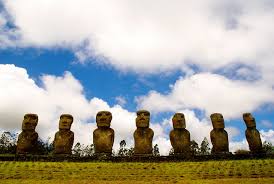
Located in the southeastern Pacific and administered by Chile, Easter Island sits thousands of kilometres from the South American mainland. The island’s volcanic terrain is home to hundreds of moai—stone figures carved by the Rapa Nui people between roughly the 13th and 16th centuries. Rapa Nui National Park, inscribed on the UNESCO World Heritage List in 1995, protects many of these monuments and the wider cultural landscape.
Archaeology, research and preservation efforts
Archaeological research on the island continues to refine understanding of how the moai were constructed, moved and used within Rapa Nui society. Conservation programmes focus on stabilising statues, preventing erosion and managing vegetation around key sites. Local community leaders, Chilean authorities and international specialists have been working—sometimes collaboratively, sometimes with tension—on policies to balance preservation with local needs and cultural rights.
Tourism and economic pressures
Tourism is a primary economic driver, bringing visitors keen to see moai, ceremonial sites and the island’s landscapes. That influx places pressure on infrastructure and on fragile archaeological sites. In recent years there has been growing emphasis on sustainable tourism practices: limiting visitor numbers at sensitive sites, improving interpretive services and ensuring revenues support local conservation and community projects.
Conclusion: Outlook and significance
Easter Island remains a living cultural landscape with global significance. Ongoing research and conservation are crucial to protect the moai and the traditions of the Rapa Nui people. For readers, the island is a reminder of the importance of managing delicate heritage sites sustainably—balancing archaeological study, community stewardship and tourism to secure the island’s legacy for future generations.