

Discovering the Beauty and Heritage of the Cotswolds
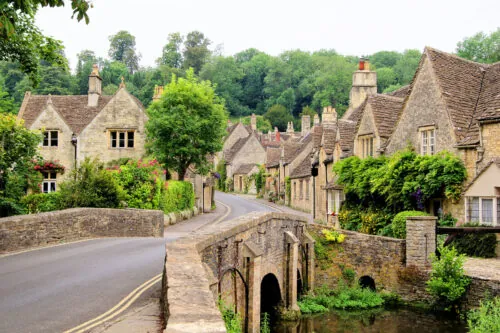
Introduction to the Cotswolds
The Cotswolds is a designated Area of Outstanding Natural Beauty (AONB) located in south-central England, famous for its rolling hills, charming villages, and historical significance. Recognised for its picturesque landscapes and vibrant culture, the region attracts millions of tourists each year looking to explore its stunning countryside, quaint market towns, and rich heritage. The importance of preserving this area cannot be overstated, as it serves not only as a sanctuary for wildlife but also as a precious part of English history.
Geographical and Historical Significance
The Cotswolds encompasses approximately 787 square miles, covering parts of six counties: Gloucestershire, Oxfordshire, Warwickshire, Wiltshire, Worcestershire, and Somerset. The area is primarily known for its limestone hills, which have been shaped over thousands of years. The architecture features typical Cotswold stone, which has a warm golden hue and gives the villages their unique character.
Historically, the Cotswolds flourished during the wool trade in the 14th and 15th centuries. Wealthy merchants built grand churches, manor houses, and charming cottages, many of which still exist today. The region’s rich agricultural history has also led to its recognition in modern times as a centre for artisanal food production, boasting many local markets and food events.
Key Attractions and Activities
Today, the Cotswolds offers a wide array of attractions and activities for visitors. Villages such as Bourton-on-the-Water, Stow-on-the-Wold, and Chipping Camden showcase stunning medieval architecture and provide a perfect setting for leisurely walks. Nature enthusiasts can hike along the Cotswold Way, a 102-mile trail that extends through the area, providing breathtaking views and encounters with local wildlife.
For those interested in historical sites, places such as Sudeley Castle and the Roman villa at Chedworth offer insights into the rich past of the Cotswolds. Additionally, local festivals celebrating everything from literature to food and drink further enrich the cultural atmosphere, drawing both locals and tourists alike.
Conclusion and Future Prospects
<pAs the Cotswolds continues to gain popularity, there is an increasing emphasis on sustainable tourism practices to preserve its natural beauty and historical significance. Local authorities are working to promote eco-friendly initiatives and responsible tourism, ensuring that the area retains its charm for future generations. For readers considering a visit, the Cotswolds offers not only a glimpse into England’s rural heritage but also a serene escape into nature, making it a must-visit destination.