

Walking the Royal Mile: Edinburgh’s Historic Heart
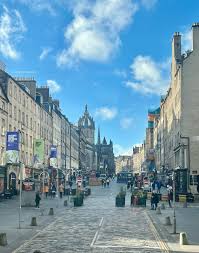
Introduction: Why the royal mile matters
The royal mile is the spine of Edinburgh’s Old Town, running roughly one statute mile between Edinburgh Castle and the Palace of Holyroodhouse. As both a physical route and a symbol of Scotland’s past, the royal mile combines centuries of history, architecture and civic life in a compact, walkable corridor. For residents and visitors alike it remains a focal point for cultural events, tourism and the city’s identity.
Main body: Landmarks, layout and activity
Street layout and character
The royal mile is not a single street name but a succession of connected streets: Castlehill, Lawnmarket, High Street, Canongate and Abbey Strand. Its cobbled surface, closes (narrow alleyways) and tall tenements reflect the medieval character of Edinburgh’s Old Town, which is part of a UNESCO World Heritage Site.
Key landmarks and institutions
Major landmarks line the route. At the top, Edinburgh Castle dominates the skyline and draws visitors to its museums and views. Midway, St Giles’ Cathedral stands on the High Street as a historic parish church with notable crown steeple architecture. Closer to the foot is the Palace of Holyroodhouse, the monarch’s official residence in Scotland, and the nearby Scottish Parliament building. Museums, independent shops, traditional pubs and guided-tour operators populate the street, offering a range of experiences from history to contemporary culture.
Events and visitor experience
The royal mile plays a central role in city events, notably during the Edinburgh Festival Fringe each August and Hogmanay celebrations in winter. Street performers, guided walks and temporary exhibitions are common, and the area can be busy during festival periods. Visitors should allow time for exploring closes and side-streets as many historic details are tucked away from the main thoroughfare.
Conclusion: Significance and practical outlook
The royal mile remains essential to understanding Edinburgh’s layered history and modern life. For visitors, it offers a concentrated introduction to Scotland’s capital — from defensive stronghold to royal residence and contemporary civic space. Looking ahead, ongoing conservation and sensitive tourism management will be important to preserve its fabric while keeping it accessible. Practical advice: visit early or late in the day to avoid peak crowds, follow wayfinding signs and take time to explore the smaller closes for a fuller sense of the royal mile’s story.