

Washington DC: History, Attractions and Local Governance
Introduction: Why washington dc matters
Washington, D.C., is both the national capital of the United States and a distinct territory with deep historical, political and cultural significance. Understanding washington dc’s geography, governance and visitor offerings is important for residents, visitors and anyone following US policy because the city combines national institutions with a local civic life shaped by ongoing debates about representation and federal oversight.
Location and significance
Washington, D.C. sits on the northern shore of the Potomac River at the river’s navigation head, serving historically as a transshipment point between water and land transport. The District was created on land ceded by Maryland and Virginia and is located about 90 miles (145 km) inland from the Atlantic Ocean. Though commonly referred to simply as D.C., the city remains a federal territory rather than a state, a status that influences its governance and national role.
Governance and recent history
Home rule has shaped local government in washington dc since the early 1970s. Legislation passed in 1973 allowed residents to elect a mayor and city council, and since 1974 the district has been governed by locally elected officials. However, Congress retains the authority to review and overturn local laws, an arrangement that continues to frame debates about local autonomy and representation.
Culture, monuments and visitor experience
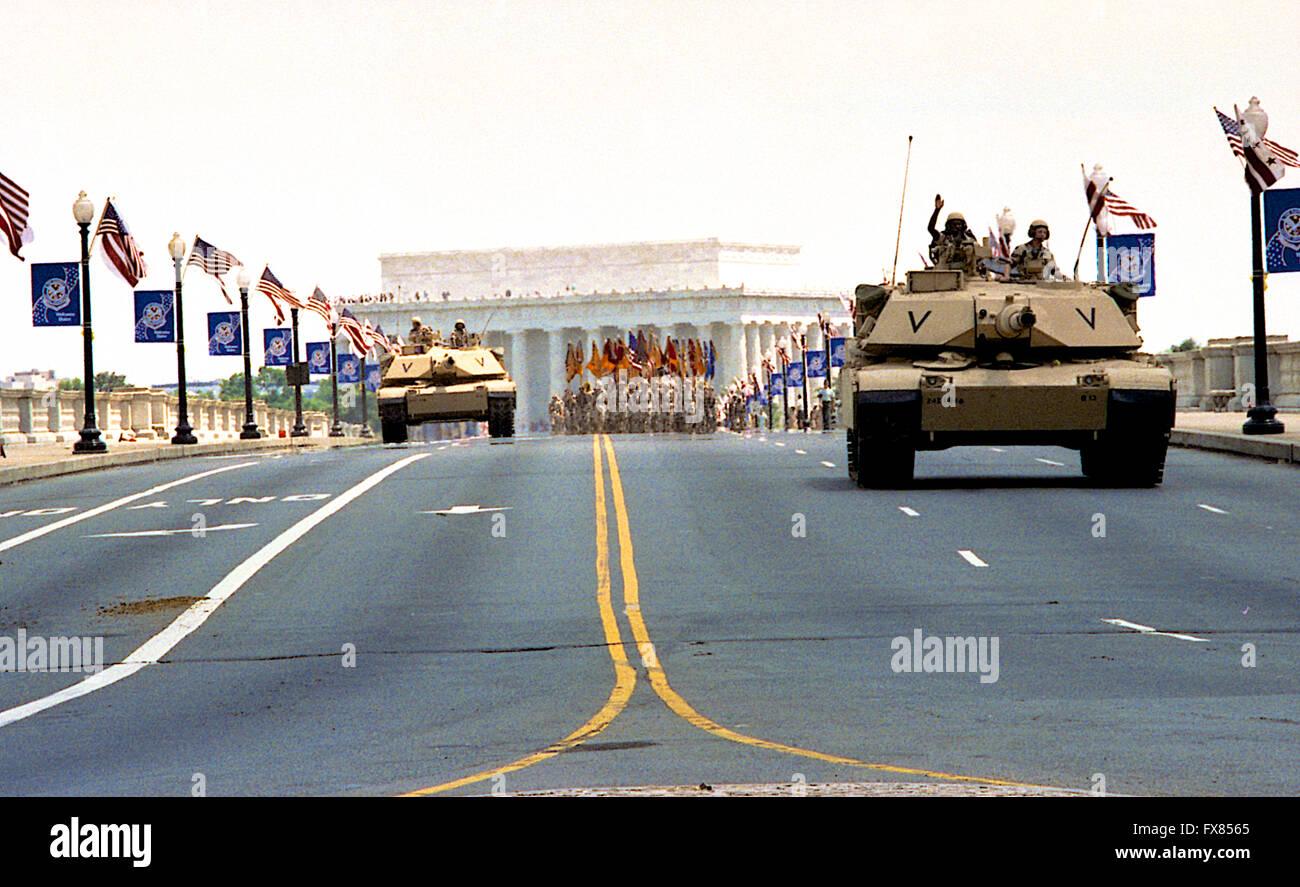
As a global tourist destination, washington dc is noted for its concentration of nationally significant monuments and museums. Visitors can explore landmarks such as the Washington Monument, the World War II Memorial and the Martin Luther King Jr. Memorial, as well as a wide range of museums that trace American history and culture. Official tourism resources highlight frequent events, seasonal guides — including winter activities and wellness- focused itineraries — and specialised guides for book lovers and families. The city is also promoted for its walkability and proximity to neighbouring communities in Maryland and Virginia, including Arlington.
Conclusion: What readers should take away
Washington, D.C. remains a unique blend of national institutions and local civic life. For visitors, the city offers unrivalled museums, monuments and year-round events; for residents, the city’s territorial status and congressional oversight continue to shape civic debates. Whether planning a trip or following governance issues, washington dc’s role as both capital and local community will remain central to its future appeal and political importance.