

Heathrow Airport: Capacity, Recovery and the Road Ahead
Introduction: Why Heathrow Airport Matters
Heathrow Airport is the United Kingdom’s principal international aviation gateway and a vital link for business, tourism and trade. Its operations affect millions of passengers each year, national connectivity, and the broader economy. Ongoing debates about capacity, environmental impact and passenger experience make developments at Heathrow of continued public and commercial interest.
Main body: Current context and key issues
Operational role and connectivity
Located to the west of central London, Heathrow serves as a major hub for long-haul and short-haul services and connects the UK with destinations across the globe. It supports a dense network of airlines and routes and is a crucial infrastructure asset for freight, business travel and tourism. The airport’s performance influences supply chains and regional accessibility.
Capacity and infrastructure
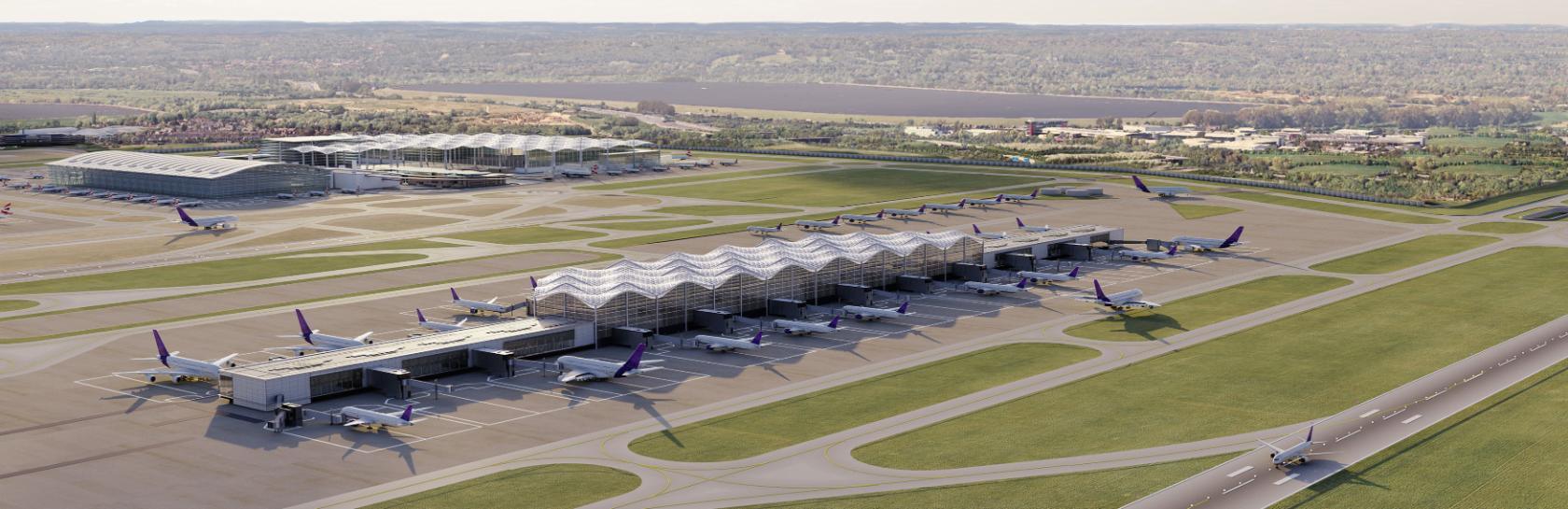
Heathrow has long faced capacity pressures as demand for air travel has grown. Terminal upgrades and operational improvements have been pursued to manage peak demand and improve passenger flow. Infrastructure discussions continue around how best to balance growth with local impacts, with stakeholders focused on efficient use of existing terminals and technologies to reduce delays.
Environmental and community considerations
Environmental concerns are central to discussions about Heathrow’s future. Noise, local air quality and carbon emissions are priorities for residents, regulators and the aviation industry. Heathrow and airlines have been working on measures to reduce environmental footprints, such as adopting more efficient aircraft operations, encouraging sustainable aviation fuels and enhancing public transport access to the airport.
Passenger experience and recovery
In the wake of global travel disruptions, Heathrow has been focusing on restoring services and improving passenger experience. Efforts include streamlining check-in and security processes, modernising terminals and enhancing digital services to reduce queues and improve reliability for travellers.
Conclusion: Outlook and significance for readers
Heathrow Airport will remain central to the UK’s international connectivity. Readers can expect continued attention on balancing capacity needs with environmental and community impacts, alongside incremental improvements to passenger services. How policymakers, operators and airlines address those challenges will shape air travel and economic links for UK residents and businesses in the coming years.