Introduction: Why flight cancellation and delay matters
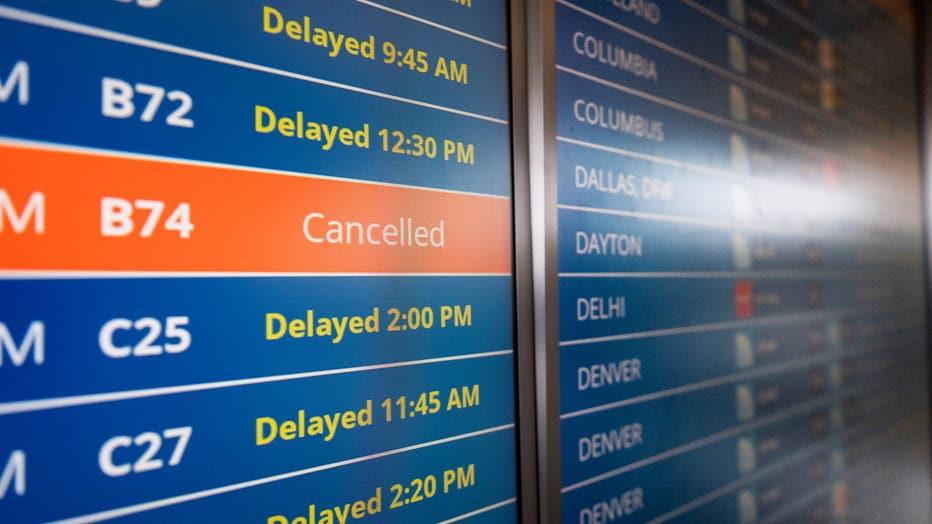
Flight cancellation and delay affects millions of travellers and has implications for business, tourism and personal plans. Disruptions can cause missed connections, financial losses and stress, making clear information on causes, rights and remedies essential. This report explains common reasons for disruption, practical steps passengers can take and what to expect when a flight is cancelled or delayed.
Main body: Causes, consequences and immediate steps
Common causes
Delays and cancellations arise from a range of factors. Weather remains a leading cause: severe storms, fog or volcanic ash can make flying unsafe. Technical problems with aircraft require thorough inspection and repair. Operational issues such as crew shortages, late-arriving aircraft or air traffic control restrictions also contribute. Industrial action, security incidents and airport congestion are further sources of disruption.
Consequences for passengers
When flights are disrupted, passengers may miss onward connections, lose booked accommodation or experience lost work time. Families and those with tight schedules are particularly affected. Costs can mount quickly if passengers must arrange alternative transport or overnight stays without timely support.
What to do at the airport and before departure
Passengers should check official flight status updates from their airline and airport as soon as they learn of a problem. On arrival at the airport, contact airline staff at the desk or via official customer-service channels to request rebooking, refunds or assistance. Keep records of communications, boarding passes and receipts for extra expenses. Travel insurance policies may cover some costs, so review cover details promptly.
Conclusion: Outlook and practical takeaways
Flight cancellation and delay will remain a feature of air travel due to weather variability, infrastructure limits and operational pressures. Travellers can reduce disruption by allowing buffer time in itineraries, monitoring flights closely, enrolling in airline notifications and understanding their rights regarding rebooking and refunds. Being prepared—carrying necessary documents, keeping receipts and knowing alternative routes—helps mitigate the practical and financial impact of disrupted travel.
For readers planning travel, staying informed and documenting any additional costs are the most effective steps to manage the consequences of a cancelled or delayed flight.