

Backworth: Village in North Tyneside with industrial heritage
Introduction: Why Backworth matters
Backworth is a village in the metropolitan borough of North Tyneside, in the county of Tyne and Wear. Located only a few miles from coastal towns and urban centres, Backworth’s history and location make it a useful window onto the development of the north-east of England. Its industrial past — especially coal mining and brickmaking — shaped local communities and the wider economy during the 19th and much of the 20th century, and its historical ties to nearby railways reflect changing transport patterns in the region.
Main body
Location and administrative status
Backworth sits in North Tyneside, about 3½ miles (roughly 6 km) west of Whitley Bay. Historically, the place is also recorded as Blackworth and was a township within the parish of Earsdon in the older county of Northumberland. Nineteenth-century accounts note Backworth’s position on the Morpeth and Tynemouth railway and place it approximately 4½ miles north-west of North Shields, emphasising its connections to surrounding settlements and transport routes.
Industrial heritage: coal mining and brickmaking
The village was a centre of coal mining through the 19th century and for much of the 20th century. Mining activity was a defining feature of local life, employment and landscape, as with many communities across the North East. In addition to mining, brickmaking took place just north of the village. These industries contributed to the built environment and local economy, leaving a legacy visible in community structures and place names.
Transport and historical context
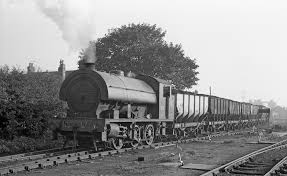
Backworth’s mention in historical sources as being on the Morpeth and Tynemouth railway underlines the importance of rail links for industrial communities. Railways carried coal and goods as well as linking workers to employment centres, and their presence influenced settlement patterns around Backworth.
Conclusion: significance and outlook
Backworth exemplifies many small villages in the North East whose identities were shaped by extractive industries and rail connections. While heavy industry has declined, the village’s history remains important for residents and for understanding regional change. For readers, Backworth offers a concise case study of industrial Britain: a community rooted in coal and brickmaking, situated within easy reach of larger towns and the North Sea coast, and recorded in both modern and historical sources as part of the evolving landscape of Tyne and Wear.