

Discovering Valletta: Malta’s Enchanting Capital
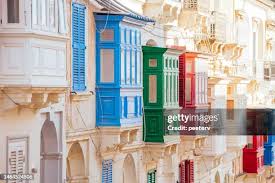
Introduction to Valletta
Valletta, the capital city of Malta, is not only the administrative centre of the country but also a UNESCO World Heritage site, recognised for its significant historical value and remarkable architecture. Established in 1566 by the Knights of St John, the city showcases an array of Baroque landmarks, stunning fortifications, and rich cultural heritage, making it a pivotal destination for history buffs and tourists alike.
Historical Significance
The strategic location of Valletta has played a crucial role in Malta’s history. It was built as a fortress city following the Great Siege of Malta in 1565, intended to protect the island from Ottoman invasion. The architecture reflects the influence of various cultures that have occupied or interacted with Malta over the centuries, from the Knights of St John to the British Empire, adding layers of complexity to its heritage.
Key Attractions
Among Valletta’s many attractions, the St John’s Co-Cathedral stands out with its opulent interior and Caravaggio paintings. The Grand Master’s Palace, once the residence of the Grand Master of the Knights, offers an insightful glimpse into Malta’s governance and military glory. The Upper Barracca Gardens provide striking views of the Grand Harbour and are a popular spot for both locals and visitors seeking a tranquil escape.
Cultural Importance
Valletta is also known for its vibrant arts scene. The city hosts numerous festivals, including the Valletta Film Festival and various cultural exhibitions throughout the year. The recent designation of Valletta as the European Capital of Culture in 2018 led to an influx of artistic initiatives, stimulating local creativity and attracting international artists.
Future Prospects
As Valletta continues to grow in popularity among tourists, the charm of its narrow streets and historic architecture attract millions each year, fostering a thriving economy centred around tourism. However, this also raises concerns about the preservation of its historic sites amidst modernisation. Local authorities are actively working on initiatives to balance tourism with heritage conservation, ensuring that Valletta remains a living testament to its glorious past.
Conclusion
In conclusion, Valletta is a city that encapsulates Malta’s rich history and cultural identity. As visitors explore its impressive sites and partake in its vibrant cultural life, they contribute to the ongoing story of this remarkable city. Valletta stands as a perfect example of how historical significance and contemporary culture can coexist, offering a unique experience for generations to come.