

Exploring Blue Islands: The Future of Regional Air Travel
Introduction
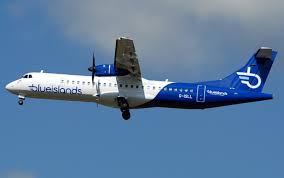
Blue Islands, a regional airline based in the Channel Islands, has been making significant strides in reshaping the landscape of air travel in the UK. With its commitment to connecting remote areas to the mainland, this airline plays a crucial role in enhancing accessibility and encouraging tourism in lesser-known regions. As travel demand surges post-pandemic, Blue Islands is well-positioned to offer much-needed services that support both local economies and leisure travel for residents and tourists alike.
Recent Developments
In recent months, Blue Islands has expanded its flight schedules and introduced new routes to cater to growing passenger needs. The airline recently announced the addition of flights connecting Jersey and Guernsey to key cities such as London and Southampton. These new services aim to increase connectivity and provide more travel options for Islanders and tourists. According to management, these routes have seen promising initial bookings, reflecting the pent-up demand for travel to and from the Islands.
Additionally, the airline has received positive feedback regarding its safety measures and customer service, which have been vital in rebuilding passenger confidence. As travel becomes more competitive, the focus on providing a safe and comfortable flying experience is crucial for maintaining loyalty among travellers.
Economic Importance
The presence of Blue Islands is not just about travel; it has considerable economic implications for the regions it serves. By facilitating easier access to the mainland, the airline supports local businesses in tourism, hospitality, and retail sectors. With tourism being a primary economic driver for the Channel Islands, increased air connectivity promotes visitor numbers, which, in turn, enhances the overall economic vitality of these regions.
Looking Ahead
As Blue Islands continues to expand its operations, it’s likely that we will see further developments in air travel dedicated to the needs of regional passengers. The airline’s strategy appears to focus on sustainability, with plans to integrate more eco-friendly aircraft into its fleet to reduce its environmental impact. Moreover, as remote work becomes more prevalent, there may be increased demand for travel options catering to business visitors, which could lead to further innovations in their services.
Conclusion
Blue Islands serves as an important player in the UK’s regional travel sector, offering connectivity, economic benefits, and an enhanced travel experience essential to local communities. As the airline adapts to current trends and travel demands, it holds the potential to significantly influence how people travel to and from the Channel Islands, making it a key player in the future of regional air travel.