

Exploring Longleat: Home to Wildlife and History
Introduction to Longleat
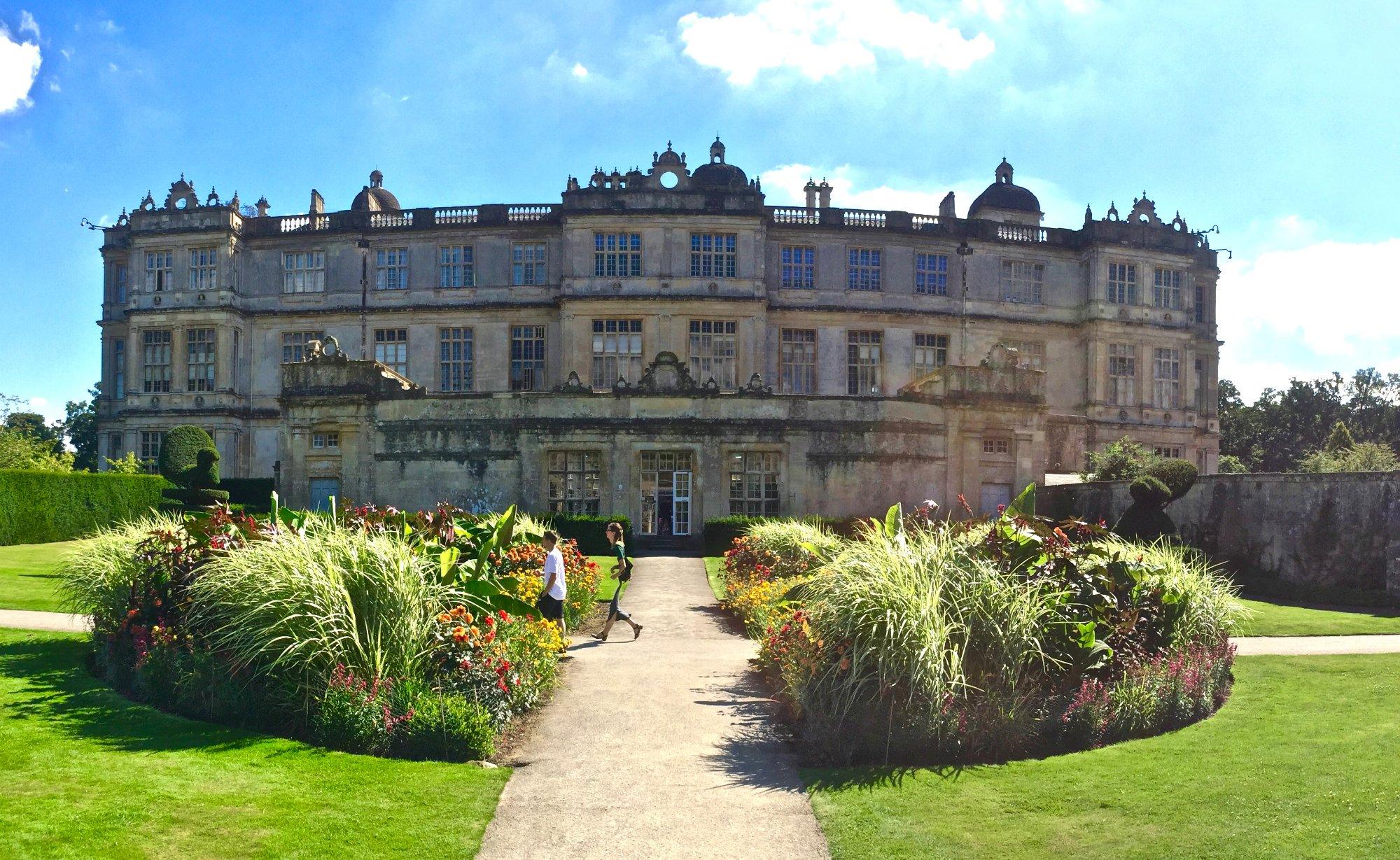
Longleat, an iconic stately home located in Wiltshire, UK, is celebrated for its remarkable Renaissance architecture and as the country’s first drive-through Safari Park. Established in the 16th century, Longleat’s significance extends beyond its historic estate; it is now a major visitor attraction that merges wildlife conservation with tourism. With over 400,000 visitors annually, Longleat plays a critical role in wildlife preservation and education, making it a relevant topic in discussions about zoos and safari parks in the UK.
A Glimpse into Longleat’s History
Originally constructed as a country estate, Longleat House was commissioned by Sir John Thynn. The estate has since been transformed under the management of the Thynn family, particularly through the efforts of Ceawlin Thynn, the current Marquess of Bath. The family’s intention was to preserve the historic nature of the property while also opening it to the public. In 1966, Longleat House became the first stately home in the UK to open a drive-through safari park, influencing many other heritage sites to adopt a similar model.
The Safari Park Experience
The Longleat Safari Park features more than 500 animals from across the globe. Visitors can drive through various sections that include lions, tigers, and other exotic species in a naturalistic setting. This hands-on experience provides educational insights into animal behaviours and conservation efforts. Additionally, the park has introduced successful breeding programs for endangered species, proving its commitment to wildlife conservation.
Events and Attractions
Alongside the safari, Longleat offers numerous attractions such as the Longleat Hedge Maze, one of the largest in the UK, and the innovative Longleat Festival of Light that showcases stunning displays featuring thousands of lanterns. The site also hosts seasonal events and activities, further engaging visitors of all ages.
The Future of Longleat
Looking ahead, Longleat is set to expand its conservation efforts with the introduction of new exhibits and educational programs aimed at raising awareness about wildlife preservation. The park’s management is committed to enhancing visitor experiences while ensuring that environmental sustainability remains a priority. These efforts not only serve the animals but also inspire the public to support and participate in conservation efforts worldwide.
Conclusion
Longleat effectively marries history with wildlife conservation, making it a unique destination in the UK. As it continues to evolve, its innovations and commitment to educating the public about wildlife issues will surely sustain its relevance and importance in the context of heritage tourism and conservation initiatives. Longleat stands as a prime example of how historical sites can adapt to modern needs while preserving their core values of education and conservation.