

Exploring Madagascar: Biodiversity and Cultural Richness
Introduction
Madagascar, the fourth largest island in the world, is renowned for its unique biodiversity and vibrant cultures. Situated off the southeastern coast of Africa, this island nation is home to a range of ecosystems and species found nowhere else on Earth. Its significance stretches beyond biodiversity; Madagascar is a pivotal player in global conservation efforts and has become a fascinating destination for tourists seeking adventure and natural beauty.
Biodiversity Hotspot
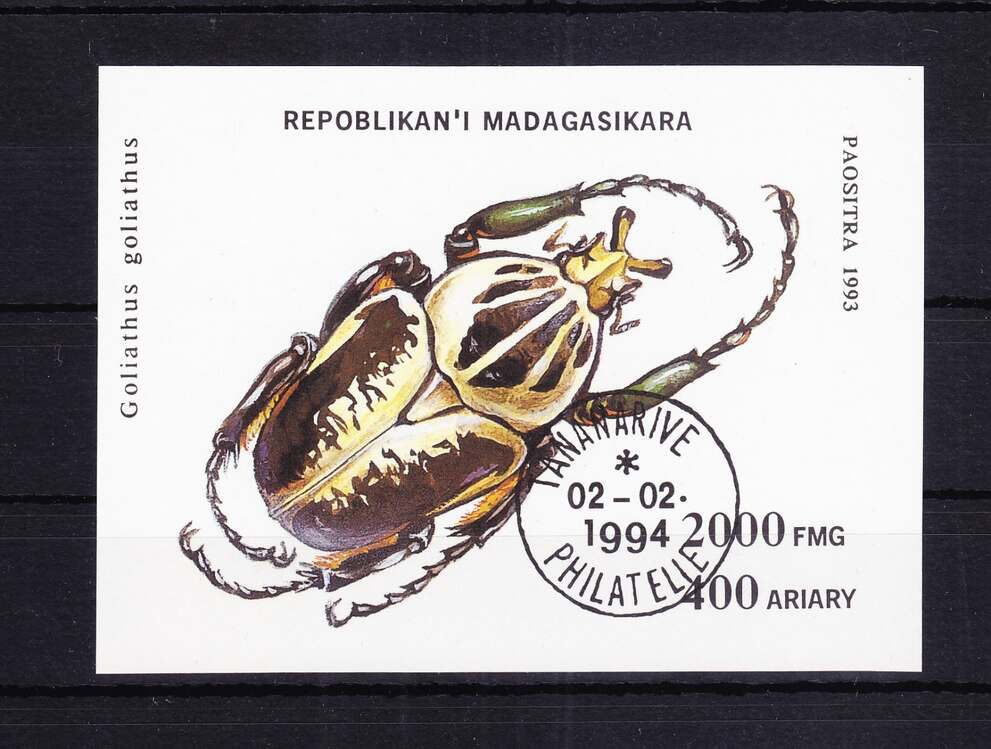
Madagascar is dubbed a biodiversity hotspot with approximately 90% of its wildlife being endemic. Iconic species include the lemur, the fossa, and the various baobab trees that dominate the landscape. The island’s unique flora and fauna have drawn the attention of conservationists worldwide, with many species under threat due to habitat loss and climate change. Recent efforts spearheaded by local and international organisations aim to protect these ecosystems, ensuring that future generations can appreciate Madagascar’s natural wealth.
Culture and Heritage
In addition to its natural environment, Madagascar boasts a rich tapestry of cultures, influenced by various ethnic groups including the Merina, Betsimisaraka, and Tsimihety. The country’s official languages—Malagasy and French—reflect its colonial history and diverse heritage. Festivals, music, and traditional crafts play a significant role in the daily lives of its people. Community practices like ‘famadihana’ (the turning of the bones) are unique cultural highlights that showcase the deep respect for ancestors in Malagasy culture.
Tourism and Economic Importance
The tourism sector in Madagascar has been steadily growing, offering opportunities for ecotourism that promote sustainable travel. In 2022, tourist arrivals rebounded as travel restrictions eased, showing a significant increase of 25% compared to 2021. Key attractions include the Avenue of the Baobabs, Isalo National Park, and the unique wildlife reserves that enable visitors to experience Madagascar’s unrivalled biodiversity. The government is actively working to improve infrastructure and promote the island as a premier travel destination, aiming to boost local economies through responsible tourism.
Conclusion
Madagascar represents a unique blend of extraordinary biodiversity and rich cultural heritage, making it an essential area of focus for conservation and tourism alike. The ongoing challenges posed by environmental threats necessitate collaboration between local communities, the government, and international conservation bodies to safeguard its future. As tourism continues to thrive, Madagascar not only stands as a marvel of ecological wealth but also as a testament to the resilience and creativity of its people.