

Exploring the Wonders of Bhutan: Culture and Nature
Introduction to Bhutan
Bhutan, a small landlocked kingdom nestled in the eastern Himalayas, is renowned for its stunning landscapes, vibrant culture, and commitment to Gross National Happiness. With its unique approach to development, Bhutan has become an increasingly popular destination for travelers seeking authentic experiences. The country’s picturesque mountains, lush valleys, and rich traditions hold significant relevance as environmental sustainability and cultural preservation take centre stage in global discussions.
Key Features of Bhutan
Bhutan is often depicted as ‘the last Shangri-La’ due to its breathtaking natural beauty. The country boasts a diverse range of ecosystems, from the subtropical plains of the south to the icy peaks of the north, home to endangered species such as the snow leopard. Furthermore, Bhutan’s commitment to preserving its environment is commendable; the government has enshrined a policy to maintain at least 60% of its forest cover, showcasing its dedication to sustainability.
Cultural Heritage
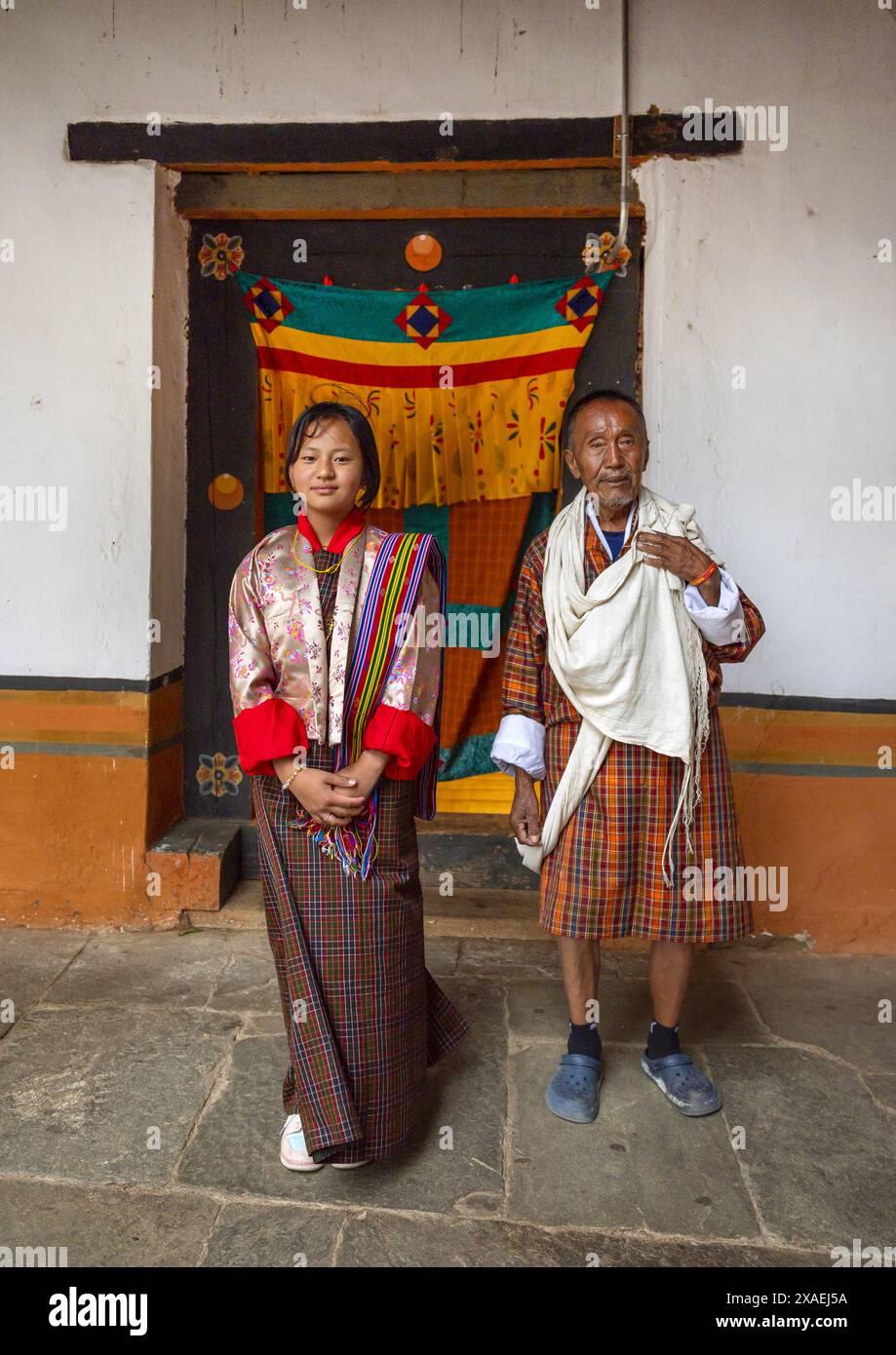
Rich in tradition, Bhutanese culture is characterised by its unique practices and festivals. The national dress, distinctive architecture, and traditional Buddhist practices play a significant role in the daily lives of the Bhutanese people. Festivals like the Paro Tsechu, celebrated annually, attract tourists and locals alike who come together to partake in vibrant dances, music, and religious rituals, reflecting the country’s strong spiritual character.
Tourism Developments
With the recent relaxation of travel restrictions, Bhutan’s tourism sector is gradually recovering from the impact of the COVID-19 pandemic. The government is leveraging this opportunity to promote responsible and sustainable tourism while ensuring cultural and environmental preservation. Initiatives aimed at showcasing local crafts, organic farming, and eco-friendly accommodations are gaining traction, encouraging visitors to engage in mindful travel practices.
Conclusion
As Bhutan embraces the dual challenge of promoting tourism and preserving its unique identity, it represents an intriguing case study for sustainable development. The kingdom continues to attract those searching for authentic cultural experiences and breathtaking natural beauty. With the world increasingly prioritising sustainability, Bhutan serves as a poignant reminder of the importance of balancing modernity with tradition, ensuring a thriving future for generations to come.