

Exploring Vietnam: Culture, Growth, and Economic Importance
Introduction
Vietnam, a Southeast Asian country known for its rich history and stunning landscapes, has recently emerged as a key player on the global economic stage. The significance of Vietnam has grown in recent years due to its rapid economic development, vibrant culture, and increasing influence in international affairs. As the country continues to transform and modernise, it draws attention from investors and tourists alike, making it an essential topic for discussion.
Economic Growth
In the last two decades, Vietnam has seen remarkable economic growth. According to the World Bank, the country’s GDP has steadily increased, boasting an average growth rate of over 6% per year since 2010. The government’s focus on economic reforms, dubbed ‘Đổi Mới’ (Renovation), initiated in the late 1980s, has shifted the country from a centrally planned economy to a socialist-oriented market economy. Vietnam has become a hub for manufacturing and export, particularly in textiles, electronics, and agricultural products. In 2023, Vietnam’s exports reached a record high, significantly contributing to the economy despite global economic uncertainties.
Cultural Heritage
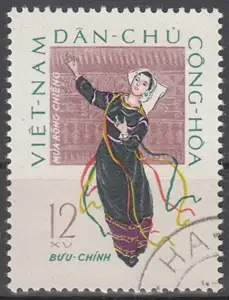
Aside from its economic significance, Vietnam is celebrated for its rich cultural heritage. Boasting a history that spans thousands of years, the country is home to diverse ethnic groups, each contributing to the cultural mosaic. Major cities like Hanoi and Ho Chi Minh City offer a mix of traditional Vietnamese culture and contemporary influences. Traditional practices, such as Ao Dai (the Vietnamese dress) and the celebration of Tet (Lunar New Year), illustrate the country’s vibrant customs. Moreover, UNESCO has recognised numerous sites in Vietnam, including the ancient town of Hoi An and the Complex of Hué Monuments, highlighting the country’s historical importance.
Tourism and International Relations
Tourism is another vital aspect of Vietnam’s economy, with millions of visitors flocking to experience its natural beauty, from Ha Long Bay’s limestone cliffs to the serene beaches of Da Nang. In recent years, the Vietnamese government has actively promoted tourism, easing visa restrictions and investing in infrastructure. Additionally, Vietnam’s strategic location and participation in international agreements, such as the Comprehensive and Progressive Agreement for Trans-Pacific Partnership (CPTPP), have enhanced its global standing and attracted foreign investment.
Conclusion
Vietnam’s transformation into a dynamic economy and its rich cultural heritage make it a focal point in Southeast Asia. As the country navigates challenges and opportunities ahead, its potential for growth and cultural significance will undoubtedly continue to attract global attention. Investors and tourists alike should keep an eye on Vietnam, as it promises to deliver a blend of tradition and modern development that is increasingly relevant in today’s interconnected world.