

Manchester Airport: Rising Costs and Major Transformation Shape 2026 Travel Plans
Introduction: A Critical Year for Manchester Airport
Manchester Airport, one of the United Kingdom’s busiest aviation hubs, faces a pivotal year in 2026 as it grapples with significant challenges and exciting opportunities. The airport has become central to discussions about the future of UK regional aviation, with warnings that air fares will ‘inevitably’ rise due to increases in property tax. This development carries substantial implications for millions of travellers and the wider Northern economy, making it a crucial topic for holidaymakers, business passengers, and aviation stakeholders alike.
Business Rates Crisis Threatens Affordable Air Travel
The airport is confronting an unprecedented financial challenge as its business rates bill is predicted to surge by £4.2 million to £18.1 million next year. This dramatic increase stems from a comprehensive Government property revaluation, with regional airports facing the sharpest increases in business rates of any sector in the UK. The financial pressure extends beyond Manchester, affecting regional airports nationwide and raising concerns about the broader impact on UK connectivity.
Airport operators have expressed alarm about the consequences. A Manchester Airports Group spokesperson stated that increases of more than 100 per cent mean they must reconsider plans to invest more than £2 billion in airports across the UK over the next five years. Industry experts warn that these increases will inevitably flow through the system: first into airport charges, then into airline costs, and ultimately into ticket prices. For passengers, this translates to higher holiday and business travel costs throughout 2026 and beyond.
Major Transformation Brings New Facilities and Enhanced Experience
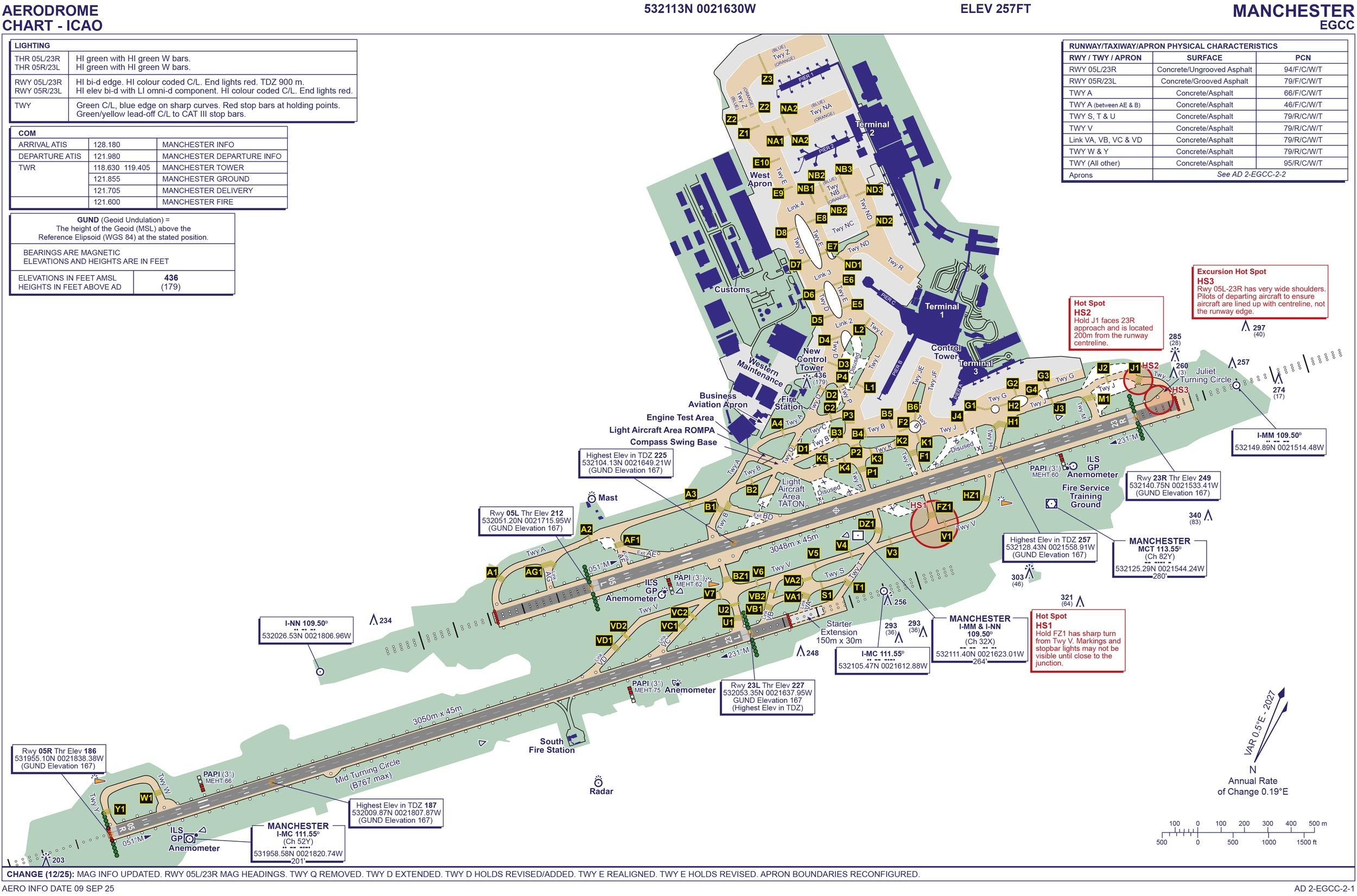
Despite financial pressures, Manchester Airport has completed significant infrastructure improvements. The completion of the Terminal 2 expansion will bring new shops, including luxury brands, and a wide range of dining options, including the highly anticipated Great Northern Market. Additionally, Manchester Airport is to be the UK’s first major international airport to adopt a ‘hybrid’ digital control tower, deploying operational grade, ultra-high definition panoramic cameras to help air traffic controllers manage and optimise ground operations.
Conclusion: Navigating Challenges Whilst Building for the Future
Manchester Airport enters 2026 at a crossroads, balancing substantial cost increases with ambitious development plans. The business rates surge presents real challenges for affordability, potentially impacting millions of travellers and threatening investment in vital infrastructure. However, the completed transformation programme positions the airport to serve growing passenger demand, with enhanced facilities and cutting-edge technology. For passengers planning travel through Manchester Airport in 2026, the message is clear: expect improved amenities and services, but prepare for higher prices as the aviation industry adapts to new economic realities. The coming year will prove crucial in determining how regional UK airports navigate these unprecedented financial pressures whilst maintaining connectivity and growth.