

Montenegro: A Hidden Gem in the Balkans
Introduction
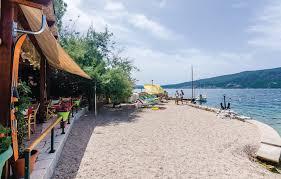
Montenegro, a small yet breathtaking country located in Southeast Europe along the Adriatic Sea, has been making headlines as one of the most captivating travel destinations in recent years. Known for its diverse geography, ranging from stunning beaches to majestic mountains, and its rich cultural heritage, Montenegro offers a unique blend of natural beauty and history. The importance of discussing Montenegro arises from its rising popularity among tourists and the potential economic and cultural impacts this can have on the country.
Geographical Features
Montenegro is renowned for its awe-inspiring landscapes, which include the rugged terrain of the Durmitor National Park, the pristine waters of the Bay of Kotor, and the historic town of Budva. The country is home to diverse ecosystems and several protected areas that provide habitats for various plant and animal species. The combination of mountainous inland and coastal regions makes Montenegro an attractive destination for adventure sports enthusiasts, including hiking, skiing, and water sports.
Tourism Growth
Tourism in Montenegro has seen a significant boost, especially following its recent accession to the North Atlantic Treaty Organization (NATO) in 2017 and its candidacy status for European Union membership. According to the Statistical Office of Montenegro, the country welcomed around 2 million tourists in 2022, showcasing a robust recovery from the pandemic. Popular events such as the Kotor Carnival and the Sea Dance Festival attract thousands of visitors each year, further cementing Montenegro’s status as a vibrant cultural hub.
Cultural Heritage
Montenegro boasts a rich cultural heritage, influenced by various civilisations over centuries, including the Romans, Byzantines, and Ottomans. The country is dotted with UNESCO World Heritage Sites, most notably the natural and historical region of Kotor and the ancient city of Dubrovnik. Visitors can explore historic fortifications, monasteries, and picturesque villages, offering insights into the country’s storied past.
Conclusion
Montenegro stands out as a promising destination not only for its natural beauty but also for the depth of its cultural offerings. As tourism continues to grow, there is hope that this small Balkan nation can manage its development sustainably, preserving its environment and cultural heritage for future generations. With its picturesque landscapes, rich history, and an increasingly diverse tourist market, Montenegro is poised to attract and welcome more visitors, making it an essential subject of interest for travellers and environmentalists alike.