

The Airport Lounge Revolution: How Premium Travel Spaces Are Reshaping the Flying Experience
The Growing Importance of Airport Lounges
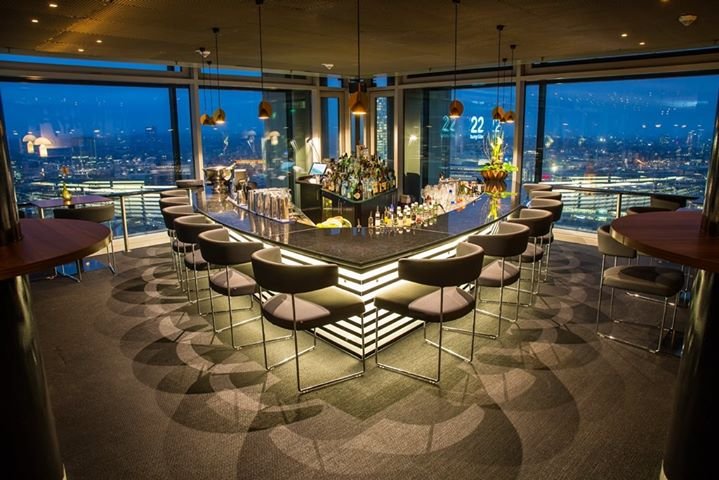
Airport lounges have evolved from exclusive airline perks to essential elements of modern air travel. Recent research shows that 82% of travellers choose their airline based on lounge access, whilst 47% plan their routes around access to their preferred airport lounge. This transformation reflects a broader shift in passenger expectations, as travellers increasingly seek comfort and premium experiences amidst the chaos of busy terminals.
Over the past several years, airport lounge demand has surged worldwide, driven by increased air travel and a desire for a more premium post-pandemic travel experience. The appeal extends beyond elite frequent flyers, with more than one-third (34%) of lounge customers using credit card perks to gain access, democratising what was once an exclusive privilege.
Major Developments Reshaping the Lounge Landscape
JetBlue announced that BlueHouse, the airline’s first-ever airport lounge, officially opened its doors at New York’s John F. Kennedy International Airport (JFK) Terminal 5 on December 18, 2025. The 9,000-square-foot space represents a significant milestone for the carrier, featuring Art Deco design and partnerships with local New York food and beverage providers.
Meanwhile, Southwest Airlines is “actively pursuing” the possibility of opening a network of airport lounges, as the airline industry continues to fight over premium travellers. This marks a dramatic shift for the budget carrier, signalling how central lounges have become to competitive strategy across all airline segments.
Visits to Priority Pass lounges and travel experiences increased 13% from January to September 2025 compared to the same period in 2024, demonstrating robust global demand. However, this popularity brings challenges, with expanded access through credit card perks fuelling demand, bringing the unfortunate side effect of increased crowding.
Future Outlook: Innovation and Adaptation
Industry experts predict significant changes ahead. Microlounges may become more prevalent in 2026, enabling airports to offer comfortable seating, charging stations, light refreshments, and quiet zones in compact or underutilised areas. This trend addresses overcrowding whilst expanding access points throughout terminals.
The market’s financial prospects remain strong, with the Airport Lounge Market growth rate expected to be around 7.2% during the forecast period (2025-2034). Airlines and operators are investing heavily in premium amenities, with American Airlines introducing experiential culinary stations and renovating existing facilities to meet growing demand.
For travellers, these developments signal a transforming airport experience where lounges serve not merely as waiting areas but as destinations offering respite, productivity, and comfort. As competition intensifies and innovation accelerates, passengers stand to benefit from increasingly sophisticated lounge experiences that make air travel more enjoyable from gate to gate.