

The Great Wall of China: A Brief Guide
Introduction
The Great Wall of China is one of the world’s most recognisable monuments and a central symbol of Chinese history. Its scale, longevity and cultural resonance make it important not only for historians and archaeologists but also for millions of visitors each year. Understanding the Wall helps explain centuries of military strategy, regional governance and the development of construction techniques in East Asia.
Main features and history
The Great Wall is not a single continuous structure built at one time but a series of walls and fortifications constructed, rebuilt and extended across centuries. Significant work took place during the Ming dynasty (14th–17th centuries), when large sections of brick and stone were erected to strengthen northern defences. Earlier walls, composed of earth and rammed soil, date back to pre-imperial states and the Qin dynasty.
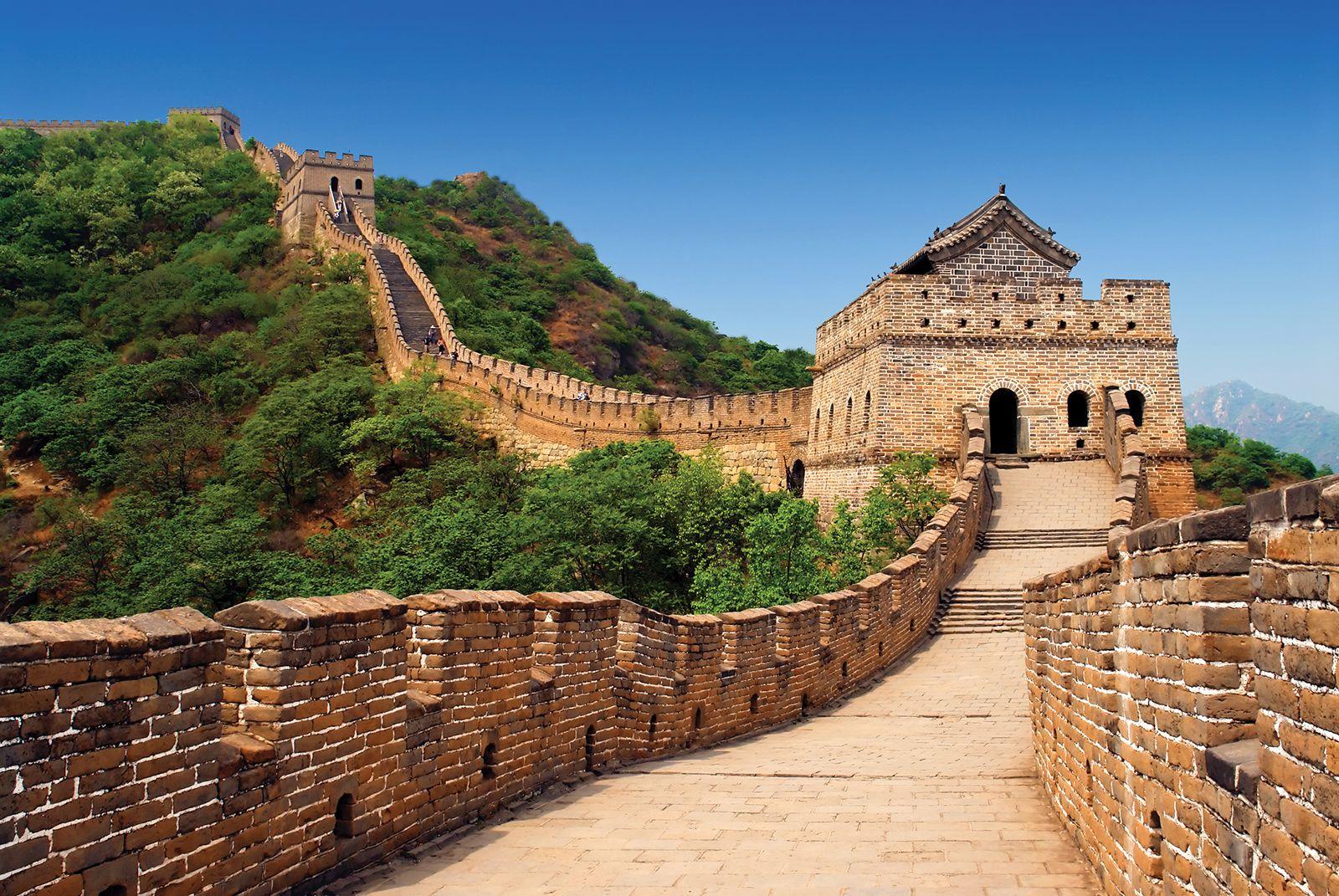
According to a comprehensive archaeological survey published in 2012, surviving sections and related defence works extend for roughly 21,196 kilometres when all segments are combined. Materials and design vary by region: some stretches are reinforced with dressed stone and bricks, others consist of compacted earth and local stone. Prominent restored sections near Beijing, such as Badaling and Mutianyu, are characteristic examples visited by many tourists; more remote segments remain in a fragile, unrestored state.
Tourism, conservation and challenges
The Wall attracts millions of visitors annually and supports significant local and national tourism economies. At the same time, heavy footfall, weathering, vegetation growth and unsympathetic repairs have caused damage in places. Conservation efforts are led by Chinese heritage authorities in cooperation with international organisations, focusing on stabilising structures, managing visitor impact and preventing inappropriate restoration methods. Remote sections pose particular management challenges because of access, resources and conflicting land use.
Conclusion
The Great Wall of China remains a powerful emblem of human endeavour, combining military history, engineering and cultural heritage. Ongoing conservation and sustainable tourism management are essential to preserve this complex system for future generations. For readers, the Wall offers both a historical lesson and a reminder of the importance of protecting shared global heritage sites.