

The Last Place to Celebrate New Year: A Journey to the Edge of Time
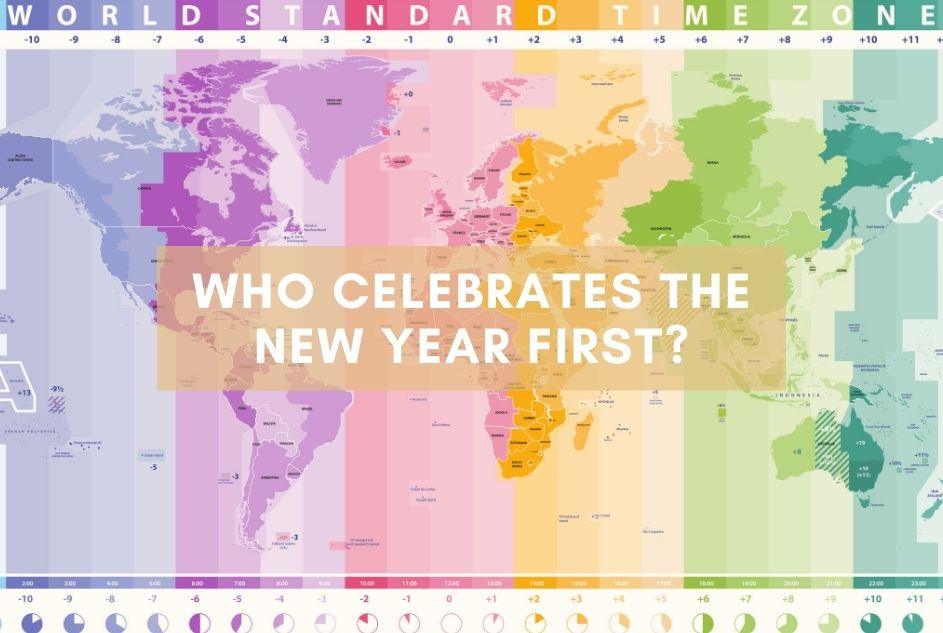
Where the New Year Arrives Last
As fireworks light up skies across the globe and champagne toasts echo from Sydney to New York, there remains one final frontier where the old year lingers. Baker Island and Howland Island are officially the last destinations to ring in 2026 at 7:00 a.m. EST on Wednesday, nearly a full day after the first celebrations began. These remote Pacific atolls, though uninhabited, hold a unique distinction in our global timekeeping system.
The Geography of Time
Located southwest of Honolulu, Hawaii, these small coral islands operate in the UTC-12 time zone, positioning them just east of the International Date Line. Baker Island is among the last places on Earth to experience the New Year, operating in the UTC−12:00 time zone, just east of the International Date Line. This geographical quirk means that when midnight strikes on these islands, every other location on Earth has already entered the new year.
The significance of this positioning becomes clear when considering the global timeline. With 38 different local times in use, it takes 26 hours for the New Year to encompass all time zones. While the Pacific island nation of Kiribati welcomes the new year first, Baker and Howland Islands serve as the final bookend to worldwide celebrations.
The Last Inhabited Celebration
However, since both Baker and Howland Islands are uninhabited wildlife refuges, the title of last populated area to celebrate belongs elsewhere. When 6:00 a.m. EST comes around, that’s when American Samoa and Pago Pago enter the New Year. They are the last populated places to celebrate 2026 in the whole world, just one hour before the uninhabited islands technically close out the global celebration.
Why It Matters
Understanding which locations are last to celebrate the New Year offers more than geographical trivia. It reveals the complexity of our global timekeeping system and highlights how human constructs like time zones and the International Date Line organize our shared experience of time. Hawaii, American Samoa and many of the US outlying islands are among the last places to celebrate the new year, demonstrating how remote Pacific territories play a crucial role in completing the planet’s 24-hour journey into a new calendar year.
For those tracking global celebrations or simply marveling at Earth’s diversity, these remote islands remind us that while we share the same planet, our experience of time remains remarkably varied, shaped by longitude, politics, and the invisible lines we’ve drawn across our world.