

What to Do When Flights Are Cancelled
Introduction: Why flights cancelled matter
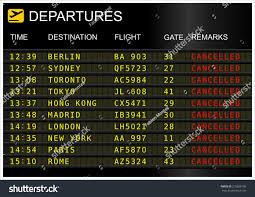
When flights cancelled, the impacts reach far beyond inconvenience. Passengers face disrupted plans, potential financial losses and logistical challenges that can affect work, family and onward travel. Understanding why cancellations happen and what to do when they occur is essential for travellers and anyone planning a trip.
Main body: Causes, immediate actions and practical advice
Common causes of cancellations
Airlines cancel flights for a variety of reasons. Weather and natural events are frequent drivers, but operational issues such as staffing shortages, aircraft technical faults and air traffic control restrictions also play a role. Occasionally, broader systemic issues — such as industrial action or airport capacity problems — lead to wider disruption.
Immediate steps to take
If your flight is cancelled, act promptly: check official airline communications for the confirmed reason and next steps, review alternative flight options and look for rebooking or refund offers. Use the airline’s app or website first, as these channels tend to be updated fastest. If you are already at the airport, visit the airline desk or a customer service point; if you are at home, contact the airline by phone, chat or social media.
Documentation and expenses
Keep a record of all communications and receipts for additional expenses incurred because of a cancellation — for example, meals, accommodation and transport. These records can be important for reclaiming costs through an airline, your travel insurance or other routes.
Alternative travel and insurance
Consider alternative travel arrangements when appropriate, such as later flights, different routes or other modes of transport. Review your travel insurance policy promptly to understand what is covered, and check any card provider protections if you purchased tickets by credit or debit card.
Conclusion: Preparing for future disruption
Flights cancelled remain a common travel risk. Travellers can reduce stress by checking flight status close to departure, registering for airline alerts, buying flexible tickets when possible and ensuring adequate travel insurance. Staying informed and prepared will help mitigate the impact when cancellations occur, making it easier to adapt and continue your journey.