

The Monster of Florence: An Infamous Criminal Case
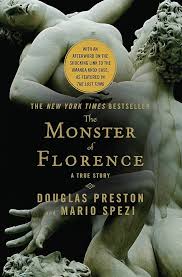
Introduction
The Monster of Florence, a moniker given to a serial killer responsible for a series of brutal murders in Italy from the late 1960s to the 1980s, continues to captivate and horrify both the public and law enforcement. The relevance of this case is manifold; not only has it been subject to books, documentaries, and films but it has also raised significant questions about the effectiveness of police investigations, the interplay of media sensationalism, and the impact of true crime narratives on society.
The Crimes
The first murder attributed to the Monster of Florence occurred in 1968, and over the next two decades, seven couples were attacked in secluded areas around Florence. The common pattern involved the use of a firearm followed by horrific mutilations, primarily of the female victims. The killer’s modus operandi combined elements of sexual violence and ritualistic killing, which led to extensive media coverage and public outrage.
Police Investigations and Theories
<pDespite intense investigations, the case remained unsolved for years, leading to various theories about the identity of the killer. Over the decades, multiple suspects came under scrutiny, including members of the local elite and even noted professionals. However, due to lack of concrete evidence, the investigations led to erroneous arrests and confusion about the actual perpetrator.
Recent Developments
<pIn April 2023, significant advancements emerged when cold case investigators reopened files related to the Monster of Florence. It was revealed that new forensic techniques, including DNA analysis and digital evidence, may provide breakthroughs in the case that has remained cold for years. These developments have reignited interest and hope among victims' families and true crime enthusiasts alike.
Conclusion
The haunting legacy of the Monster of Florence reminds readers of the complexities of criminal investigations and the societal impact of unresolved cases. As new investigative methods and technologies evolve, there may finally be a resolution to one of Italy’s most chilling criminal enigmas. The outcomes of the latest inquiries into this case could serve as a significant turning point, offering closure to families and potentially integrating new understandings of serial crime into law enforcement strategies. The need for accurate and respectful coverage also highlights the importance of ethical considerations in true crime narratives.