

Canary Wharf’s Shift: Transport, Development and Economic Outlook
Introduction: Why Canary Wharf Matters
Canary Wharf is one of London’s principal business districts and a visible symbol of the capital’s post-industrial regeneration. Built on the former West India Docks on the Isle of Dogs, it hosts headquarters, global banks and major employers. The area’s evolution affects jobs, transport planning and urban housing across east London, making developments at Canary Wharf relevant to residents, commuters and investors alike.
Main body
Transport and connectivity
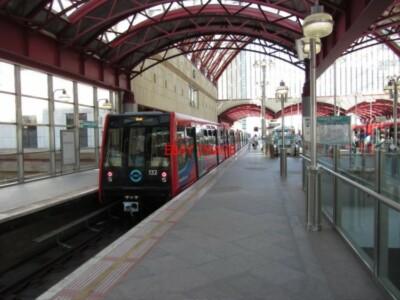
Transport links have been central to Canary Wharf’s success. The district is served by the Docklands Light Railway (DLR), the Jubilee line and, since 2022, the central Elizabeth line station that significantly improved east–west access. These connections have reinforced Canary Wharf’s role as a commuter hub and have been a key factor in attracting occupiers returning to the office as hybrid working patterns stabilise.
Economic role and changing workspace demand
Historically anchored by landmark towers such as One Canada Square, Canary Wharf remains a focal point for finance, professional services and media. In recent years the office market has adapted to shifting demand: occupiers seek higher-quality space, flexible floorplates and sustainability features. Landlords and developers have responded by refurbishing older buildings and promoting mixed-use schemes that combine offices, leisure and residential elements.
Urban regeneration and community impact
The transformation from docks to a modern business district has also involved new public spaces, retail and cultural offerings. Canary Wharf Group and local authorities have emphasised placemaking, cycling and pedestrian routes, and local employment initiatives. The area’s development continues to raise questions about affordability and integration with neighbouring communities in the London Borough of Tower Hamlets.
Conclusion: Outlook and significance for readers
Canary Wharf is poised to remain a major centre for commerce while diversifying into residential, retail and technology sectors. Improved transport links and ongoing redevelopment suggest resilience, though the pace of recovery depends on wider economic conditions and workplace trends. For commuters, businesses and local residents, Canary Wharf’s next chapter will be shaped by how effectively it balances growth with community needs and sustainability priorities.