

Met Office issues snow and ice warnings after Storm Goretti
Introduction — why the warnings matter
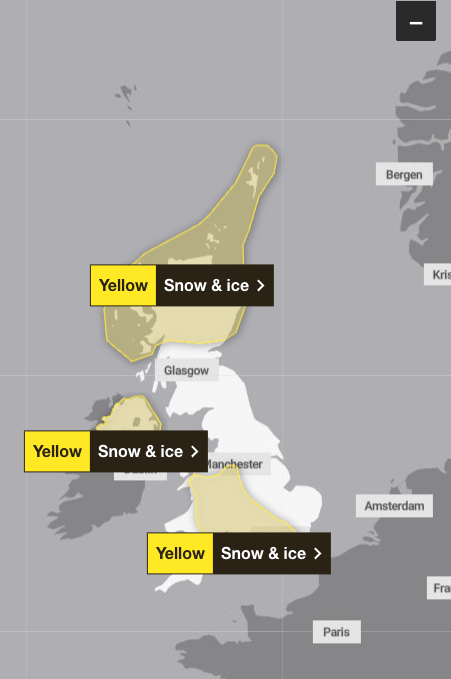
The Met Office weather warnings snow alert affects large parts of northern Britain this weekend. With low temperatures, fresh snowfall and the risk of ice and flooding following Storm Goretti, the warnings are important for anyone travelling, working outdoors or living in vulnerable low-lying areas.
Main developments and forecast details
Storm Goretti aftermath and timing
As Storm Goretti’s influence eases through Friday, further snow and ice warnings have been issued for much of Scotland and northern England. The Met Office says a front moving in from the west on Sunday will bring fresh snow to parts of Scotland and northern England, prolonging icy conditions where temperatures remain low.
Where impacts are expected
Disruption is likely for much of Scotland and northern England on Sunday. The Scottish Government’s Resilience Room (SGORR) met on Friday to co-ordinate the response to severe weather in northern Scotland, where ongoing snow and ice impacts are being monitored closely.
Transition to rain and flood risk
Forecasters warn that later on Sunday snow will start to transition to rain or sleet. In north‑west Scotland this change, combined with melting snow and rainfall, is expected to increase flood risk. The Met Office highlights a low risk of minor river and surface water flooding affecting low‑lying land, roads and properties in parts of the region.
Regional note — south‑west England
Separate to the northern snow warnings, a yellow rain warning is in force for south‑west England on 03/02/2026, with potential for localised flooding. Forecast updates also indicate some snow in the far north‑east of the UK during the period of unsettled weather.
Conclusion — what readers should expect and do
Residents and travellers in affected areas should expect disruptive winter conditions on Sunday, including snow, ice and the prospect of local flooding. The Met Office advises checking the latest local warnings and travel updates, taking care on untreated surfaces and planning journeys with additional time. Emergency services and local resilience teams are monitoring conditions, and further updates will clarify the extent of flooding and travel disruption as the front moves through.