

Cambridge Weather: Trends, Risks and Where to Get Updates
Introduction: Why Cambridge weather matters
Cambridge weather is significant for residents, students, businesses and visitors alike. Local conditions influence transport, university timetables, tourism on the River Cam and daily life in a city with a mix of historic streets and commuter routes. Reliable information helps people plan journeys, protect property and respond to seasonal hazards such as frost, fog or localized flooding. This report summarises the relevance of Cambridge weather and points readers to authoritative sources for current forecasts and warnings.
Main body: Patterns, local impacts and available information
Typical patterns and seasonal notes
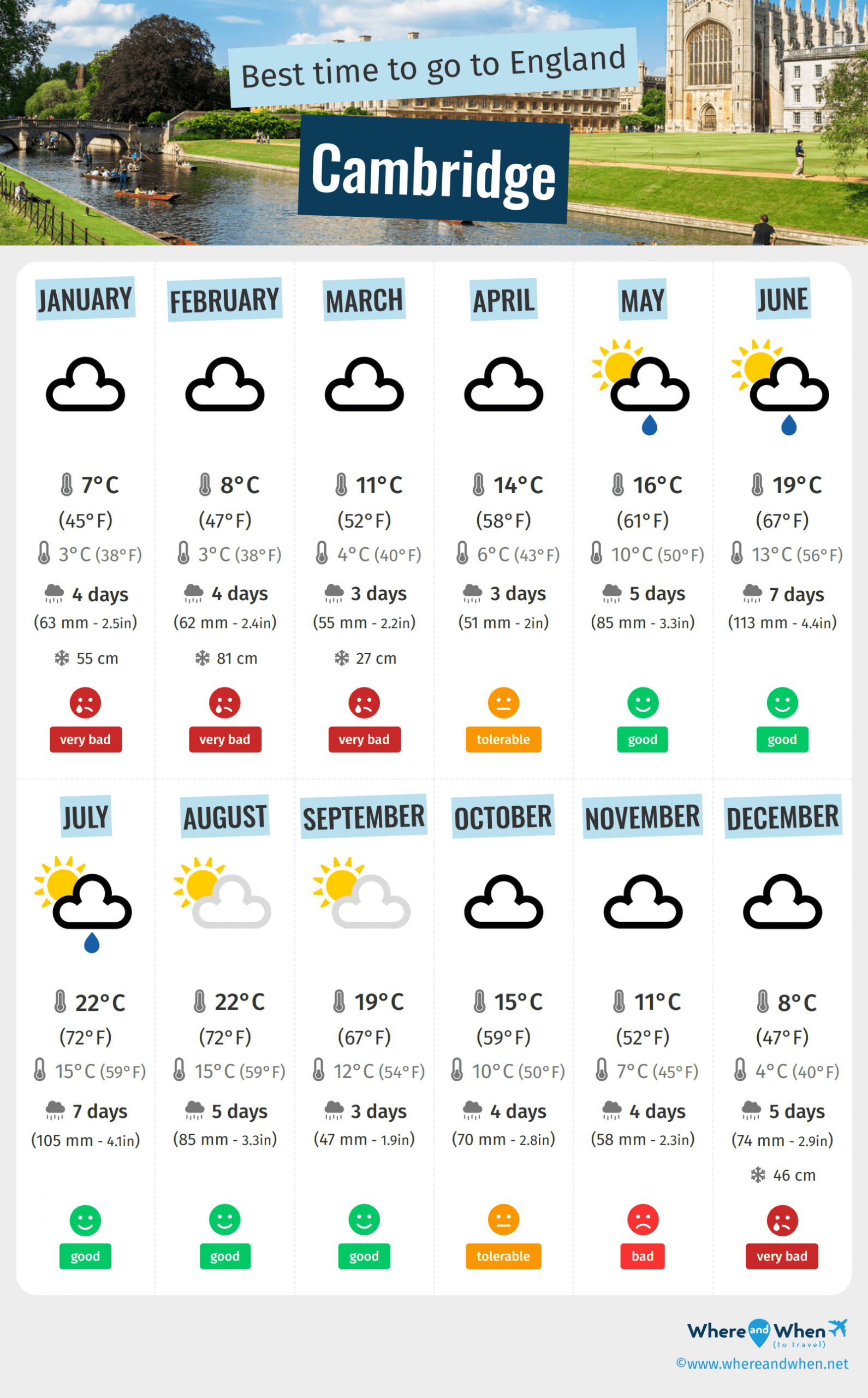
Cambridge generally experiences a temperate maritime climate. Winters tend to be milder than many inland European locations, with periods of frost and the occasional fog patch that can affect visibility and travel. Summers are usually moderate, though heatwaves can occasionally push temperatures higher for short spells. Rainfall is distributed through the year, and certain low-lying areas along the River Cam are more exposed to rising water levels after prolonged or heavy rain.
Local impacts to watch
Travel disruptions are a frequent local consequence of adverse weather. Fog and frost can slow road and rail services, while heavy rain can lead to surface water on routes into and through the city. The university and colleges monitor conditions that might affect lectures, exams and access to facilities; businesses that depend on river-based tourism should also keep an eye on forecasts. Residents living near flood plains should be aware of local flood maps and any community alert systems.
Where to get reliable, up-to-date information
For current forecasts and official warnings, consult the Met Office and local council channels. National broadcasters and dedicated weather services provide short-term predictions and radar imagery, while Environment Agency notices cover flood alerts and responses. Transport operators (rail and bus) publish real-time service updates during weather events.
Conclusion: Practical takeaways and what to expect
Understanding typical Cambridge weather patterns helps readers prepare for common disruptions such as fog, frost or brief heavy rain. Because conditions can change quickly, the best course is to monitor reputable, official sources for live forecasts and alerts. Doing so supports safer travel, protects property and helps university, business and leisure plans remain resilient in the face of varying weather.