

Understanding Met Office Weather Warnings
Introduction
The Met Office plays a crucial role in providing weather forecasts and alerts that help citizens prepare for impending weather conditions. As severe weather events become more frequent and unpredictable due to climate change, understanding the significance of Met Office weather warnings is vital for public safety and planning. These warnings inform residents about potential hazards, ranging from heavy rain to severe gales, ensuring that individuals and communities can take necessary precautions.
Types of Weather Warnings
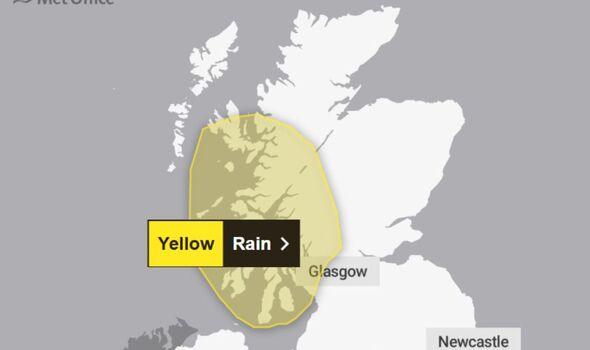
The Met Office issues weather warnings that are categorised into three main levels: Yellow, Amber, and Red. A Yellow warning indicates potential weather impacts that may disrupt travel and outdoor activities, and people are advised to stay informed. Amber warnings suggest that adverse weather is likely and could significantly disrupt daily routines, urging preparations for possible emergencies. Red warnings, the most serious, signify dangerous conditions that pose a risk to life.
Recent Weather Events
In the past month, the Met Office has issued multiple weather warnings across the UK due to severe storms, including Storm Babet, which brought heavy rain and strong winds. The warnings prompted local authorities to issue safety guidelines and open emergency response centres. These alerts allowed communities to brace for the impacts of flooding and power outages, enabling them to safeguard lives and property.
Importance of Compliance
Adhering to Met Office weather warnings can not only prevent personal injury but also alleviate pressure on emergency services. In a recent incident during intense winter weather, areas that took the advisory warnings seriously experienced fewer emergencies compared to regions that did not heed the alerts. Individuals are encouraged to utilise the Met Office’s website and weather apps, which provide real-time updates
Conclusion
The significance of Met Office weather warnings cannot be overstated. These alerts are essential tools for public safety in an era of changing weather patterns. By staying informed and prepared, individuals and communities can effectively mitigate the risks associated with adverse weather, ensuring safety and resilience. As climate-related weather challenges persist, it is crucial for the public to engage with the Met Office’s resources, enabling proactive responses to potential threats.