

Adelaide Weather: Record-Breaking Heat Marks Summer Start
Introduction: Understanding Adelaide’s Summer Weather Patterns
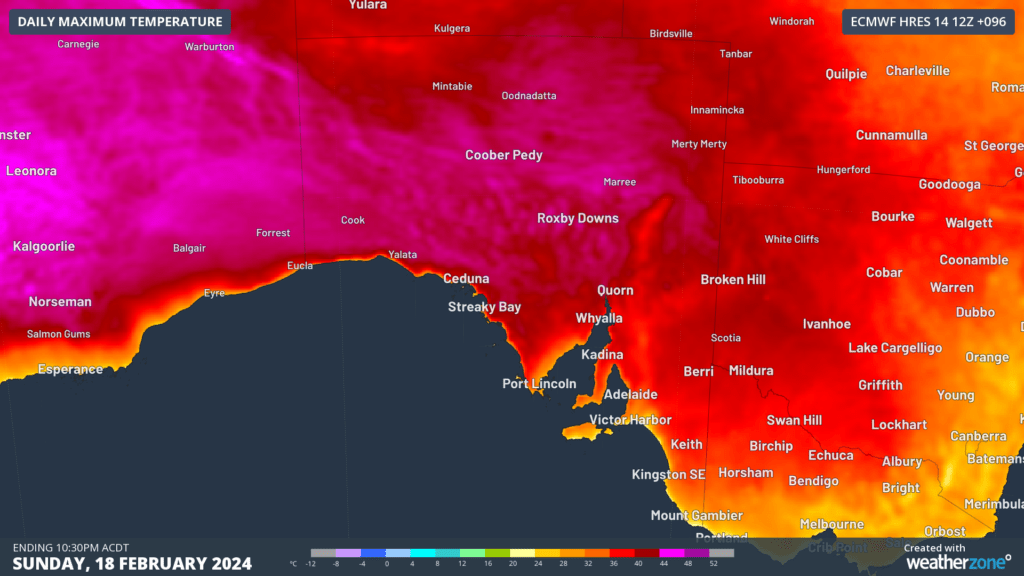
Adelaide’s weather has become a critical topic for residents and visitors alike as Australia is experiencing a smorgasbord of wild weather in the lead-up to Christmas, featuring extreme heat, humidity, severe thunderstorms, and tropical storms. Understanding current weather conditions and forecasts is essential for planning outdoor activities, ensuring safety during extreme heat, and preparing for sudden weather changes that characterise South Australia’s summer season.
December 2024: Above-Average Temperatures Dominate
Adelaide has experienced notably warmer conditions throughout December 2024. Mean maximum temperatures for December at all sites across Adelaide and the Hills were above average, ranging from 1.4 °C above average at Noarlunga to 3.9 °C above average at Mount Lofty. The heat reached extreme levels, with Kuitpo Forest Reserve recording a daily minimum temperature of 27.1 °C on the 16th, equalling its warmest December night on record.
Rainfall patterns have been less generous, as rainfall totals for December were close to average or below average at all sites across Adelaide and the Hills, ranging from 47% at Mount Crawford to 98% of average at Kuitpo Forest Reserve. Rain fell during the first and last weeks of December, but little or no rain fell across Adelaide and the Hills from the 8th to the 26th.
Christmas Day Weather and Fire Dangers
As Adelaide basks in sunny weather for Christmas Day, temperatures are expected to soar to a high of 37°C, with Elizabeth reaching a slightly higher 38°C. The extreme heat brought serious concerns, as a severe fire danger warning has been issued for Wednesday for the West Coast and Mount Lofty Ranges due to extreme fire dangers from hot and dry conditions.
Conclusion: Adapting to Adelaide’s Summer Heat
The above-average temperatures recorded in December 2024 underscore the importance of weather awareness for Adelaide residents. With climate patterns showing consistent warming trends, understanding daily forecasts becomes crucial for health and safety. As summer progresses, residents should remain vigilant about fire dangers, stay hydrated during heatwaves, and monitor Bureau of Meteorology updates for changing conditions. These weather patterns highlight the broader implications of climate variability for South Australia’s capital city.