

Arctic Blast Brings Dangerous Cold and Snow to Chicago
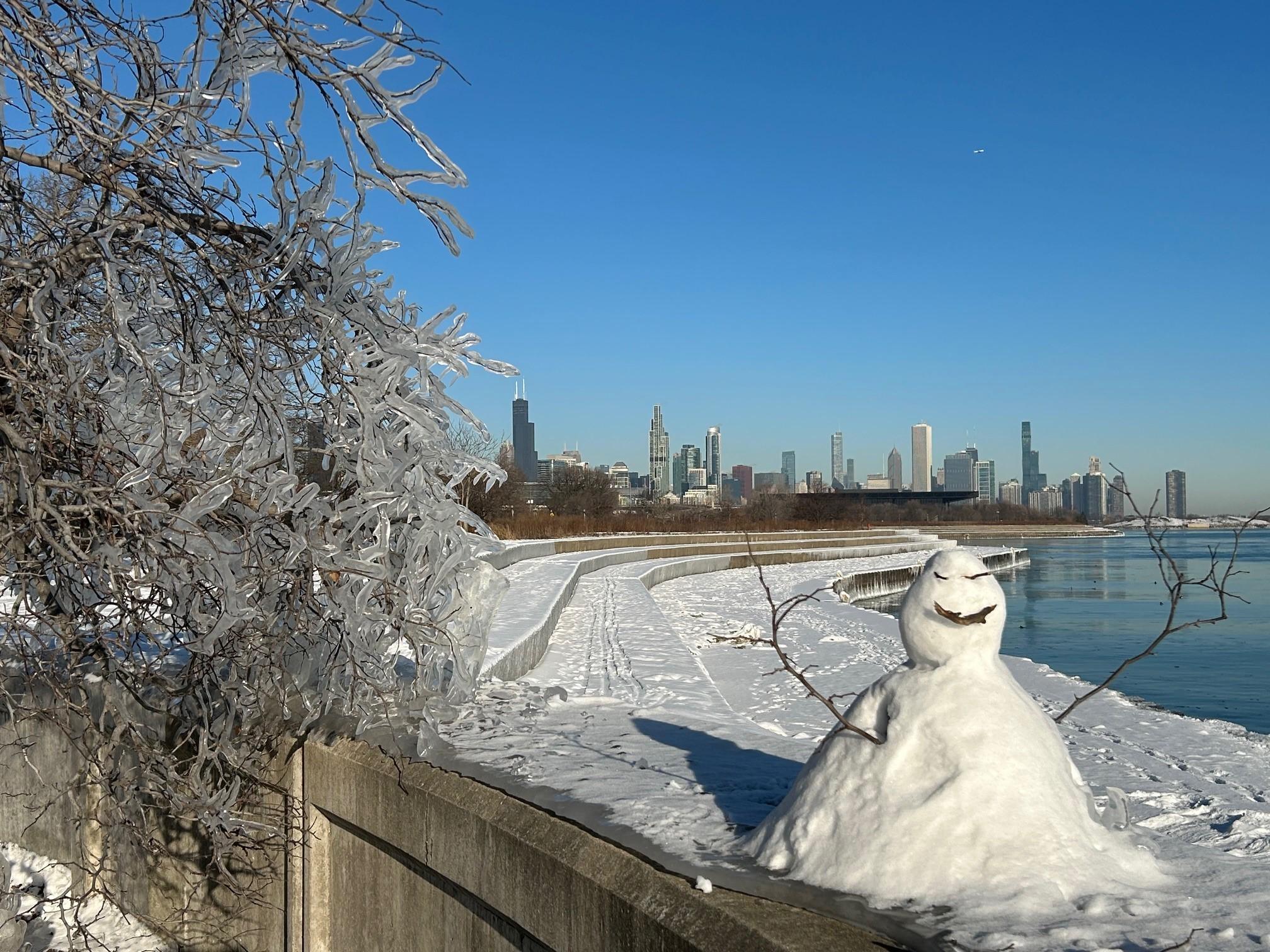
Understanding Chicago’s Current Weather Crisis
Chicago is experiencing some of the harshest winter conditions of 2026, with arctic air bringing wind chills more than 20 degrees below zero. This extreme weather event has prompted safety advisories across the metropolitan area, affecting residents, commuters, and even high-profile sporting events. The current cold snap represents a significant shift from the unusually mild temperatures the city experienced earlier this month, making the dramatic temperature drop even more challenging for locals to navigate.
Recent Weather Events and Current Conditions
January 2026 has proven to be a month of weather extremes for the Windy City. A strong low pressure system tracked through the Midwest on January 8th into the 9th, bringing record warmth, thunderstorms, heavy rainfall, and strong winds to the area. However, the pleasant respite was short-lived. More recently, a morning snow squall and strong winds struck on January 14, 2026, marking the beginning of a return to more typical—and brutal—winter conditions.
Current forecasts indicate wind chills at gametime will be in the low-single digits or even below zero at times, with the city expected to see about 1-2 inches of fluffy snowfall. The National Weather Service has issued cold weather advisories, and winter weather could make for more ice and slippery roads, as well as lowered visibility.
Looking Ahead: What Chicagoans Can Expect
After the snow and bitter cold, the rest of next week will feature typical January weather with highs by mid-week in the 20s and overnight lows in the teens to single digits. Residents are urged to dress in layers, limit time outdoors, and check on vulnerable neighbours during this dangerous cold spell. For those planning travel, authorities recommend allowing extra time and exercising caution on potentially icy roadways. As climate patterns continue to shift, Chicago’s winter weather remains unpredictable, making it essential for residents to stay informed about current conditions and safety recommendations.