

Record Snowfall Buries Russia’s Kamchatka Peninsula in ‘Snow Apocalypse’
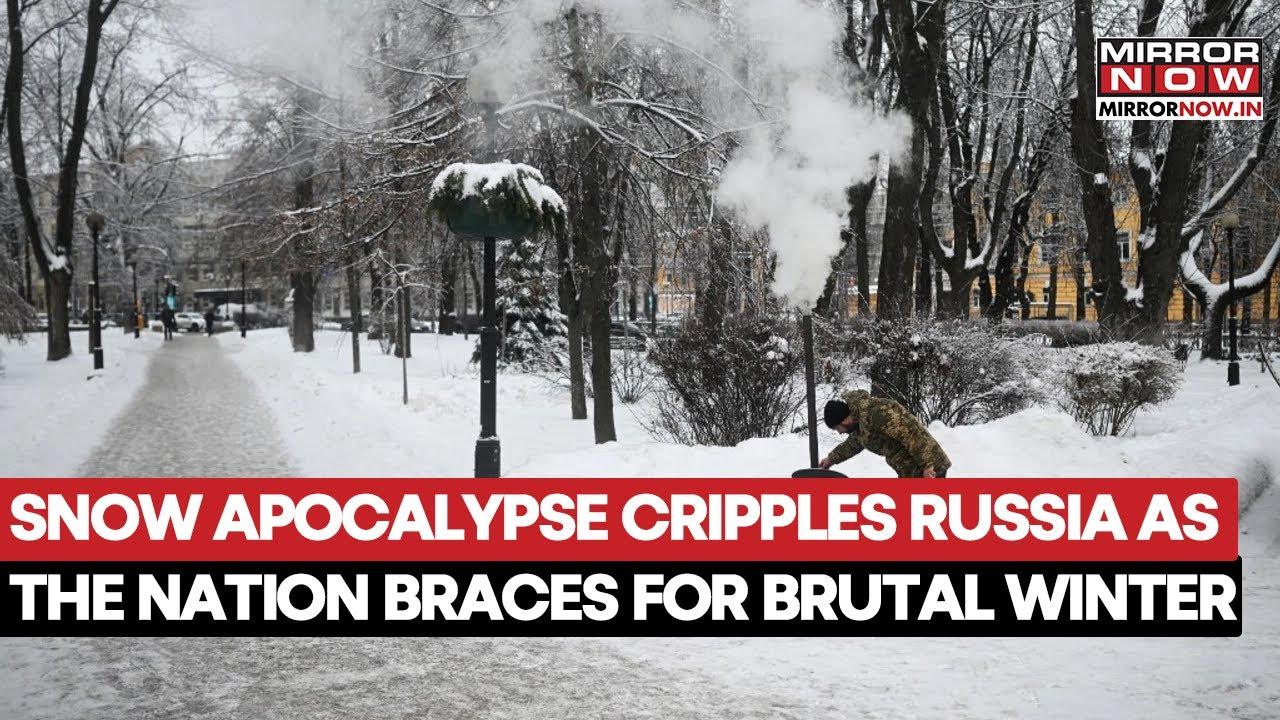
Historic Winter Storm Paralyses Eastern Russia
A powerful cyclone has dumped record snowfall on Russia’s Kamchatka region, burying homes, blocking roads, and disrupting public transport in what residents are calling a ‘snow apocalypse’. The Kamchatka Peninsula in Russia’s Far East has experienced an extreme snowstorm, the worst in decades, with snow depths exceeding two metres in some areas, marking one of the most severe winter weather events in recent Russian history.
Unprecedented Snow Accumulation and Casualties
More than 7 feet of snow has fallen just over the weekend, with up to 15 feet reported since December. In December 2025, Petropavlovsk-Kamchatsky, the capital of Kamchatka Krai, received 370 millimetres of snow, more than three times the monthly average. The situation has turned tragic, with two people killed by snow falling from the roofs of buildings. A municipal-level State of Emergency was declared for Petropavlovsk-Kamchatsky after the two deaths.
Daily Life Disrupted and Emergency Response
Public transportation was partially suspended in the regional capital, with buses replaced by all-terrain vehicles transporting people along the city’s main routes. Images showed huge snow piles reaching up to the second storey of buildings and people digging their way through roads. Schools and businesses have shut down as the city is forced to switch to remote working, whilst residents complained after local stores were running out of essentials like bread, milk and eggs.
Recovery Efforts and Long-term Implications
The powerful, prolonged snowstorm that began on January 12, 2026, has paralyzed the Kamchatka Peninsula, with emergency services working tirelessly to restore normalcy. Though heavy snow is not uncommon in Kamchatka, the unusual intensity of the storm has left the region’s major city partially paralysed. This extreme weather event highlights the increasing severity of winter storms and serves as a reminder of nature’s overwhelming power, even in regions accustomed to harsh winters. As climate patterns continue to evolve, such unprecedented weather events may become more frequent, requiring enhanced emergency preparedness and infrastructure resilience in vulnerable regions.