

San Francisco weather: what residents and visitors need to know
Introduction — Why San Francisco weather matters
San Francisco weather shapes daily life, travel and events across the Bay Area. Its well‑known contrasts — cool, foggy coastlines and warmer inland neighbourhoods — affect commuting, tourism and outdoor activities. Understanding these patterns is important for residents, businesses and visitors planning everything from work commutes to weekend plans.
Main body — Patterns, impacts and practical facts
Typical patterns and microclimates
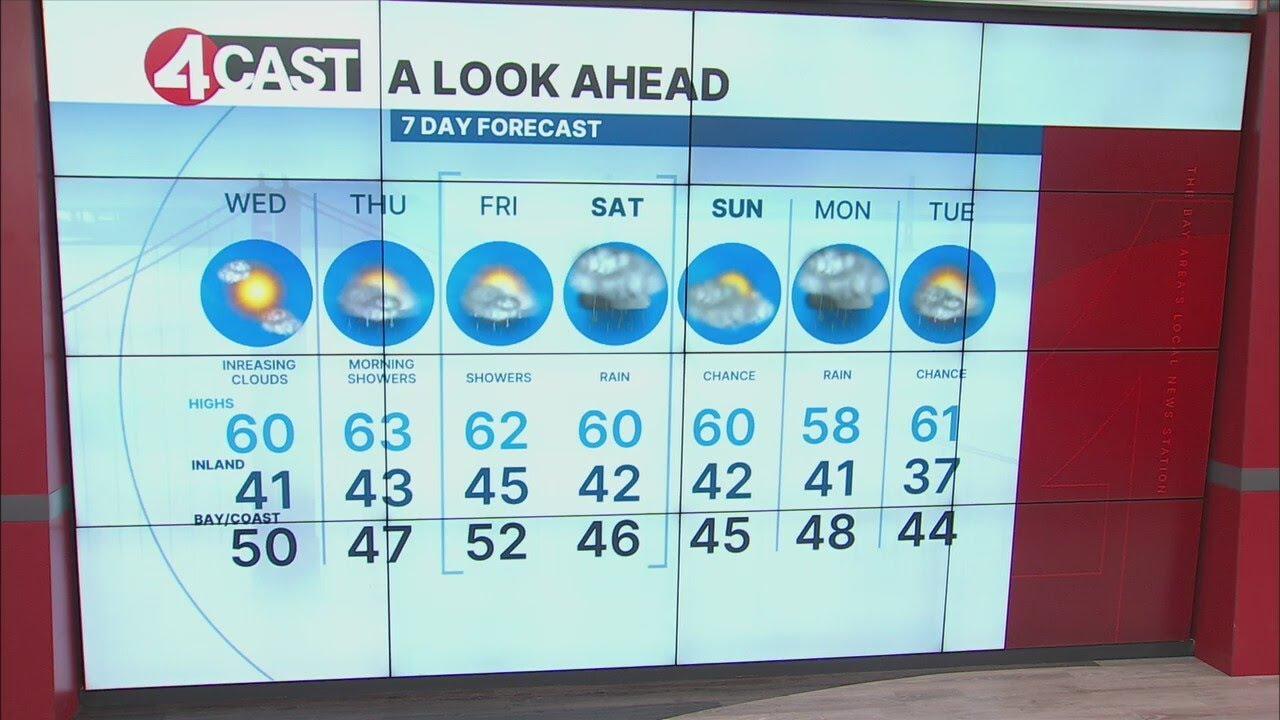
San Francisco has a temperate Mediterranean climate with notable microclimates. The Pacific Ocean and the bay produce a marine layer that often brings fog and cooler temperatures to the western and coastal districts, while eastern and inland neighbourhoods can be markedly warmer and sunnier. Weather can vary over just a few miles, so conditions in the Financial District may differ significantly from those at Ocean Beach.
Fog and the marine influence
Fog is a defining feature, especially in late spring and summer. It moderates daytime highs along the coast and can roll in quickly during the afternoon and evening. This maritime influence also keeps winters mild and summers relatively cool compared with many other US cities at similar latitudes.
Impact on daily life and economy
These weather patterns influence public transport, outdoor events and the tourism industry. Sudden fog or lower visibility can delay ferries and flights, while the city’s outdoor culture—markets, parks and waterfront activities—depends on travellers and residents being prepared for variable conditions. For workplaces and the tech sector, predictable yet locally variable weather affects commuting patterns and facilities planning.
Advice for residents and visitors
Layering clothing is a practical response to local variability: mornings may be cool and overcast, afternoons warm and sunny. Checking localised forecasts and transit alerts is advisable when planning events or trips across different parts of the city.
Conclusion — What readers should take away
San Francisco weather is notable for its variability and the strong marine influence that creates fog and distinct microclimates. For readers, the practical takeaways are simple: expect changeable conditions, dress in layers, and consult localised forecasts before travel or outdoor plans. These steps help residents and visitors alike adapt to the city’s characteristic climate quirks and make the most of what the Bay Area offers.