

Scotland Braces for Major Snow Event as Multiple Weather Warnings Issued
Understanding the Current Weather Crisis in Scotland
Scotland is currently facing a complex and dangerous weather event as multiple severe weather warnings have been issued across the nation. The Met Office has issued an amber weather warning for snow for northern and central parts of Scotland, marking one of the most significant winter weather events of the year. This development comes after a cold spell that has been in place across the UK since the start of the year, with conditions now transitioning to create a multi-hazard situation affecting various regions.
The severity of this weather event cannot be understated. At a recent SGoRR meeting, the Met Office advised partners that Scotland is facing a complicated multi-hazard event, affecting various parts of the country in different ways and at different times. The combination of continued snowfall, milder conditions leading to snow melt, and heavy rain in some areas has created a flooding risk that requires immediate attention from both authorities and residents.
Detailed Weather Warnings and Expected Impacts
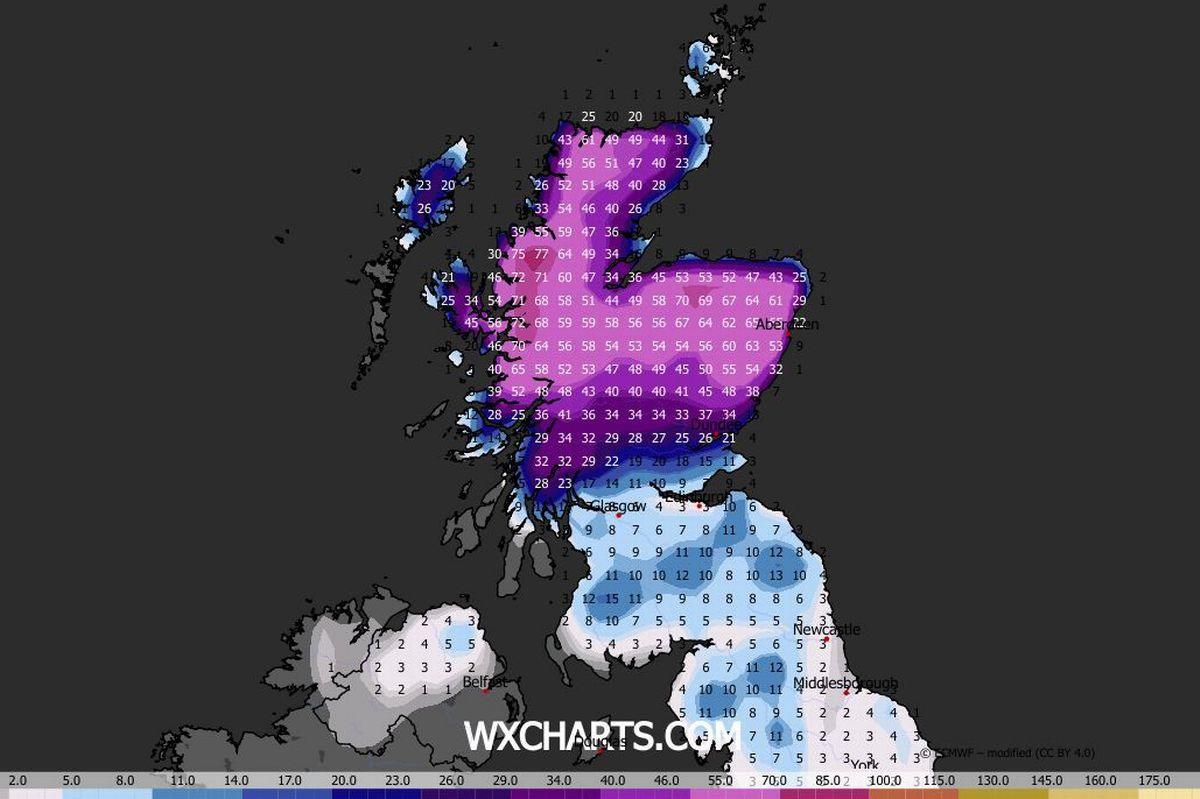
Within the amber warning area in eastern Scotland, snow accumulations of 5-15cm are likely at relatively low levels with potentially up to 20-30cm over higher elevations within the Highlands and Aberdeenshire. The amber warning itself is valid from around 3am until 2pm on Sunday, requiring residents to take immediate precautions.
Beyond the amber warning, a much wider yellow warning for snow and ice covers the majority of Scotland as well as much of northern England. The situation is further complicated by wind conditions, as a yellow warning for wind has been issued, warning for gusts of 45-60mph widely with 70mph gusts possible in the Western Isles and Northern Isles.
One of the most concerning aspects of this weather event is the risk of freezing rain. Snow will turn to rain through the day, with the possibility of freezing rain for a time which could lead to some extremely hazardous conditions with ice forming instantly on all surfaces. This phenomenon poses particular danger to motorists and pedestrians alike.
Government Response and Safety Advice
The Met Office has issued a number of weather warnings covering much of Scotland, including an amber warning for snow in parts of central and north-east Scotland, with a complex mix of snow, heavy rain, strong winds and possibly freezing rain due to mark an end to the cold spell. In response to these conditions, Transport Scotland has activated its Multi-Agency Response Team to monitor conditions and support frontline and resilience partners.
The Scottish Government’s approach has been comprehensive and coordinated. SGORR was activated in response to the current weather event on Friday 2 January and the first ministerial-led SGORR meeting took place on Monday 5 January, since when it has met every day, demonstrating the ongoing commitment to managing this crisis.
Residents are being urged to take this situation seriously and prepare accordingly. People should plan their route, give themselves extra time for their journey, check for road closures or delays to public transport and amend plans if necessary. The forecast also brings flooding concerns, as SEPA has warned that rising temperatures and snow melt, combined with heavy rain, could lead to flooding of low-lying land, roads and individual properties.
Looking Ahead: What This Means for Scotland
This weather event represents a significant challenge for Scotland’s infrastructure and communities. The combination of heavy snowfall, strong winds, potential flooding, and the transition from cold to milder conditions creates a uniquely dangerous situation. For communities already impacted by over a week of wintry weather, the additional snow accumulation and subsequent flooding risk present ongoing challenges.
The significance of these weather warnings extends beyond immediate travel disruption. They highlight the increasing complexity of winter weather events and the importance of coordinated emergency response. As climate patterns continue to evolve, such multi-hazard weather events may become more common, making it essential for residents to stay informed and prepared. Authorities continue to monitor the situation closely, with weather conditions expected to improve gradually as the week progresses, though there remains the likelihood of further unsettled weather at times with a risk of further heavy rain in places.