

Understanding the UK snow forecast: what to expect and how to prepare
Introduction: why the UK snow forecast matters
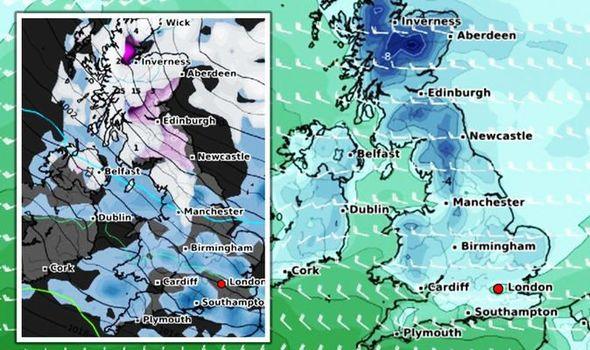
Snow can disrupt travel, power supplies and daily life across the United Kingdom. Accurate UK snow forecasts are important for motorists, public services, businesses and households to plan safely. This article explains how snow forecasts are produced, how to interpret warnings and where to find reliable, up-to-date information.
How UK snow forecasts are produced
National and regional forecasts rely on meteorological models, observations and expert analysis. The UK Met Office combines its national model with observations from weather stations, radar and satellites to predict temperature, precipitation type and timing. International models such as ECMWF (European Centre for Medium-Range Weather Forecasts) and GFS (Global Forecast System) are also used to improve confidence. Mountain and local forecasts draw on higher-resolution models and specialist services such as the Mountain Weather Information Service (MWIS).
Key forecast elements
Forecasters consider temperature profiles through the atmosphere to determine whether precipitation will fall as rain, sleet or snow. Ground temperature, recent precipitation and wind can affect whether snow accumulates or melts on contact. Short-range forecasts (up to 48 hours) typically provide the most reliable detail, while longer-range guidance indicates broader patterns and uncertainty.
Interpreting warnings and probabilities
Warnings from the Met Office use a colour scale to indicate potential impacts: yellow (be aware), amber (be prepared) and red (take action). A UK snow forecast may include probabilities or confidence levels—higher uncertainty usually accompanies lower-confidence, long-range outlooks. Road and rail operators issue their own advisories; always check both national forecasts and local transport updates.
What readers should watch and do
For practical steps, monitor the Met Office, BBC Weather and local authority pages for updates. Prepare winter essentials—warm clothing, an emergency kit for vehicles, and contingency plans for travel or work. If living or travelling in upland areas, consult mountain-specific forecasts and take appropriate equipment.
Conclusion: significance and outlook
The UK snow forecast helps minimise disruption and improve safety by informing decisions in the face of winter weather. While models and warnings provide strong guidance, stay updated frequently during changing conditions and rely on official sources for the latest, verified information.