

What You Need to Know about Yellow Weather Warnings
Introduction
As climate change influences weather patterns, the frequency and intensity of extreme weather events are on the rise. One crucial aspect of public safety is the issuance of weather warnings, particularly yellow weather warnings, which signal caution regarding potential weather impacts. Understanding these warnings equips individuals and communities to take appropriate action, ensuring safety and preparedness.
What is a Yellow Weather Warning?
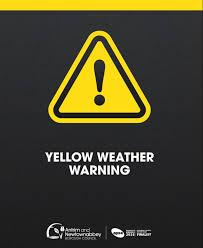
A yellow weather warning is issued when severe weather is possible but not guaranteed. It alerts the public that conditions could disrupt daily activities, potentially leading to travel delays, disruption to work, or even risks to health and safety. The warning insists that individuals should remain vigilant, keeping an eye on local weather forecasts.
Recent Events and Current Conditions
In recent weeks, the Met Office has issued several yellow weather warnings across the UK, particularly as autumn settles in. For example, heavy rain and strong winds have prompted warnings in northern England and parts of Scotland. The yellow warnings serve to inform residents about potential flooding, damaging winds, and other hazardous conditions that could arise from these weather patterns.
During such warnings, people are advised to take measures such as securing outdoor items, preparing for potential travel delays, and staying updated on weather reports. Throughout 2023, the UK has experienced significant fluctuations in weather patterns, leading to a higher frequency of weather-related alerts, with yellow warnings now being a common sight in many regions.
Conclusion
Yellow weather warnings play a vital role in public safety, helping citizens anticipate and react to potential weather-related hazards. As weather events become increasingly unpredictable and more intense, understanding what these warnings signify is more critical than ever. Authorities urge that residents take heed of these warnings and prepare accordingly. Looking ahead, climate experts predict that the number of adverse weather events will continue to rise, making it essential for communities to be proactive in their responses to weather warnings to mitigate the risks associated with severe weather.