

Large Tortoiseshell Butterfly: Sightings Spark Conservation Interest
Introduction — Why the large tortoiseshell butterfly matters
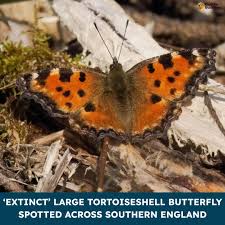
The large tortoiseshell butterfly (Nymphalis polychloros) is a striking, orange-and-black species once familiar in parts of Britain and across Eurasia. Its presence is a useful indicator of healthy woodlands and riverside habitats. Renewed interest in recent sightings has made the species a focus for conservationists and citizen scientists, highlighting wider concerns about habitat loss, tree health and the effects of climate change on UK biodiversity.
Main body
Decline and recent reports
The large tortoiseshell declined markedly in Britain during the 20th century. A combination of factors — notably loss of suitable woodland edge and hedgerow habitat and the devastation of elm trees by Dutch elm disease — is widely credited with its retreat. In recent years there have been sporadic reports and targeted monitoring that suggest occasional recolonisation attempts and isolated records. These observations remain limited and require systematic recording to establish whether sustainable populations are returning.
Biology and habitat
Adults are larger and more ragged-winged than the familiar small tortoiseshell. Caterpillars feed mainly on trees and shrubs such as elm (Ulmus), poplar (Populus) and willow (Salix), and the butterfly favours sunny woodland rides, parkland and riverside trees. Like other members of the Nymphalidae family, adults can overwinter in sheltered sites and have one or more broods depending on local conditions.
Conservation and monitoring
<pOrganisations such as Butterfly Conservation and local recording schemes encourage landowners and the public to report sightings and to manage hedgerows and riparian corridors to favour host trees. Citizen science records are central to understanding distribution changes; even single confirmed breeding records can change a species’ conservation outlook. Practical measures include planting or allowing natural regeneration of native willows, poplars and diverse hedgerow species, and maintaining woodland edges.
Conclusion — What this means for readers
The large tortoiseshell butterfly’s recent profile underlines the value of habitat connectivity and tree health for insect conservation. While a full-scale recovery in the UK remains uncertain, continued monitoring, habitat restoration and public reporting can help determine whether the species will re-establish. Gardeners and land managers can help by protecting and planting suitable host trees and by sending verified records to local conservation groups.